

One of Birmingham’s most notable figures, Neville Chamberlain, etched his name in history by becoming the Prime Minister of Great Britain. His success in business paved the way for a career in public service and, eventually, politics. Chamberlain was not only a leader but also a man dedicated to the welfare of society. More information can be found at birminghamski.
Early Life and Business Ventures
Neville Chamberlain was born into an influential family in Birmingham in 1869. His father, Joseph, was a successful businessman and public servant who had served as Lord Mayor of Birmingham and held several cabinet positions. Neville’s mother was a relative of William Kenrick, a member of the British Parliament. He received his early education from his older sister, Beatrice, who went on to become a distinguished educator and political organiser. He later attended the prestigious Rugby School, a boys’ school renowned as the “home of rugby” and counting bishops, famous poets, scientists, writers, and military leaders among its alumni. He continued his studies at Mason College, which would later become the University of Birmingham in the early 20th century. However, Neville’s disinterest in academic subjects led his father to apprentice him at an accountancy firm in 1889. After six months of training, Chamberlain took on a role as a clerk.
In the 19th century, Britain was a vast empire. Joseph Chamberlain owned an agave plantation on Andros Island in the Bahamas. Believing his son could improve the business’s fortunes, he sent Neville there to manage it. Despite living there for several years, Neville was unable to make the plantation profitable. Nevertheless, he enjoyed the business challenge and returned to England, where his father helped him acquire the Hoskins Company, which manufactured ship berths. Neville managed the company for nearly 20 years, during which time it prospered.
Public Service and First Steps in Politics
While leading his successful company, Neville Chamberlain began to engage in charitable and public activities. In 1906, he took on the role of chairman of a local hospital. He and other Birmingham officials were instrumental in founding the National Committee of Hospitals within the British Medical Association, effectively creating the first trade union for doctors.
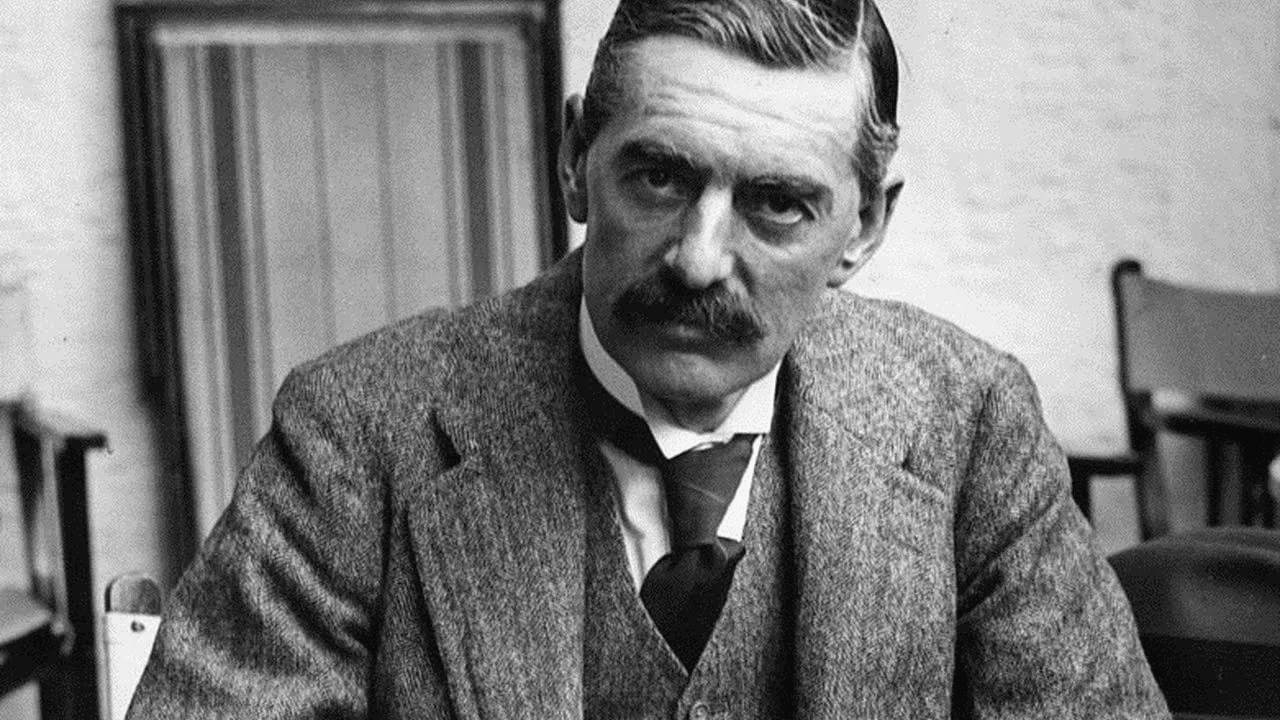
In his mid-forties, Neville married Anne Cole, who believed her husband had the potential to become a great politician. In 1911, he joined the Liberal Unionist Party and quickly rose to a leadership position. Initially, Chamberlain was appointed chairman of the town planning committee, where he spearheaded the UK’s first-ever town planning scheme. Unfortunately, the outbreak of the First World War prevented its full implementation. In 1915, Neville Chamberlain was elected Lord Mayor of Birmingham and made a point of halving the costs of maintaining officials’ salaries. In the same year, he was appointed a member of the Central Control Board of Liquor Traffic. Neville’s reputation grew as he was seen as a trustworthy and impeccable figure. In 1916, Prime Minister Lloyd George offered him the position of Director of National Service, responsible for coordinating conscription and ensuring the war industry had enough staff. This was Chamberlain’s first encounter with political infighting, and he resigned shortly after.
Election to Parliament, Legislative Achievements, and the Premiership
After the First World War, general elections were held, and Neville Chamberlain ran for a seat in the House of Commons. His campaign stood out for its focus on the newly enfranchised female electorate, as women were now allowed to vote and even stand as candidates. His wife served as his de facto “PR manager,” distributing leaflets titled “A Word to the Ladies” and participating in meetings with voters. Chamberlain’s strategy paid off, and he won his constituency with an impressive 70% of the vote.
In Parliament, Neville chaired the National Committee on Unhealthy Areas, tasked with tackling the slums of London, Birmingham, Liverpool, and other cities. To address this issue, a healthcare reform was needed, particularly to provide access to vaccinations for low-income individuals. In 1920, he was offered the position of Junior Minister at the Ministry of Health.
Before becoming Prime Minister, Chamberlain was a key figure in introducing new laws that improved citizens’ welfare and reduced bureaucracy. For instance, the Local Government Act allowed funds to be directed to the poor directly, rather than through poor relief funds. Another significant contribution was the 1932 Import Duties Act, which introduced a uniform 10% tariff on food products and raw materials, helping to boost the UK’s GDP by 4% annually and pull the country out of the economic crisis. The Unemployment Act of 1934 made it possible to receive National Insurance from the age of 14, rather than 16 as before. The 1937 Factories Act mandated that employers provide decent working conditions and reduce working hours for women and children.
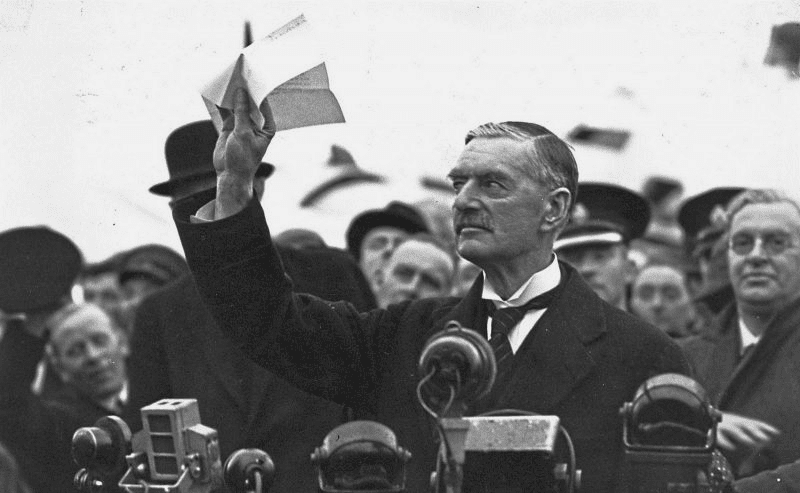
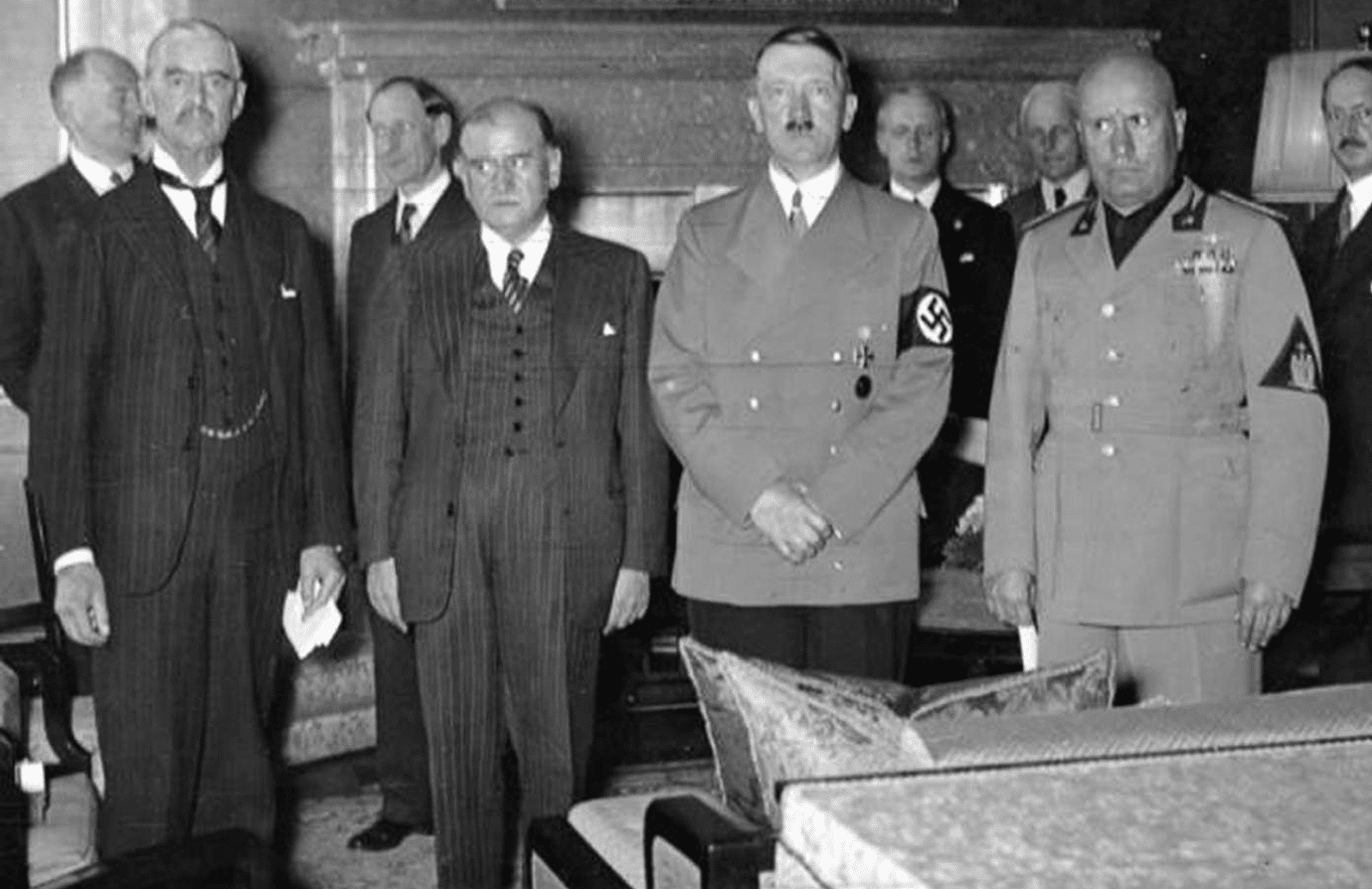
Neville Chamberlain’s brilliant domestic policies earned him respect and support from the public. From 1937 to 1940, he led the Conservative “Tory” Party and served as Prime Minister of Great Britain. However, his foreign policy, characterised by a failure to prevent the outbreak of the Second World War through diplomatic efforts, led to his resignation.
Neville Chamberlain passed away on 9 November 1940 and was laid to rest in Westminster Abbey.