

As is well known, the Jewish community in Birmingham has a rich and eventful history. This is partly due to its participation in the cultural, social and business life of the city. And, of course, people such as Oscar Deutsch. They played a key role not only in the formation of the Jewish community in Birmingham, but also in the cultural context of the city.
Some of them took an active part in shaping the entertainment industry and civic activism in the 20th century. For more details about the man who became a prominent businessman in the city, opening a chain of cinemas here and who is considered the inventor of British popular cinema, read more at birminghamski.com.
Childhood
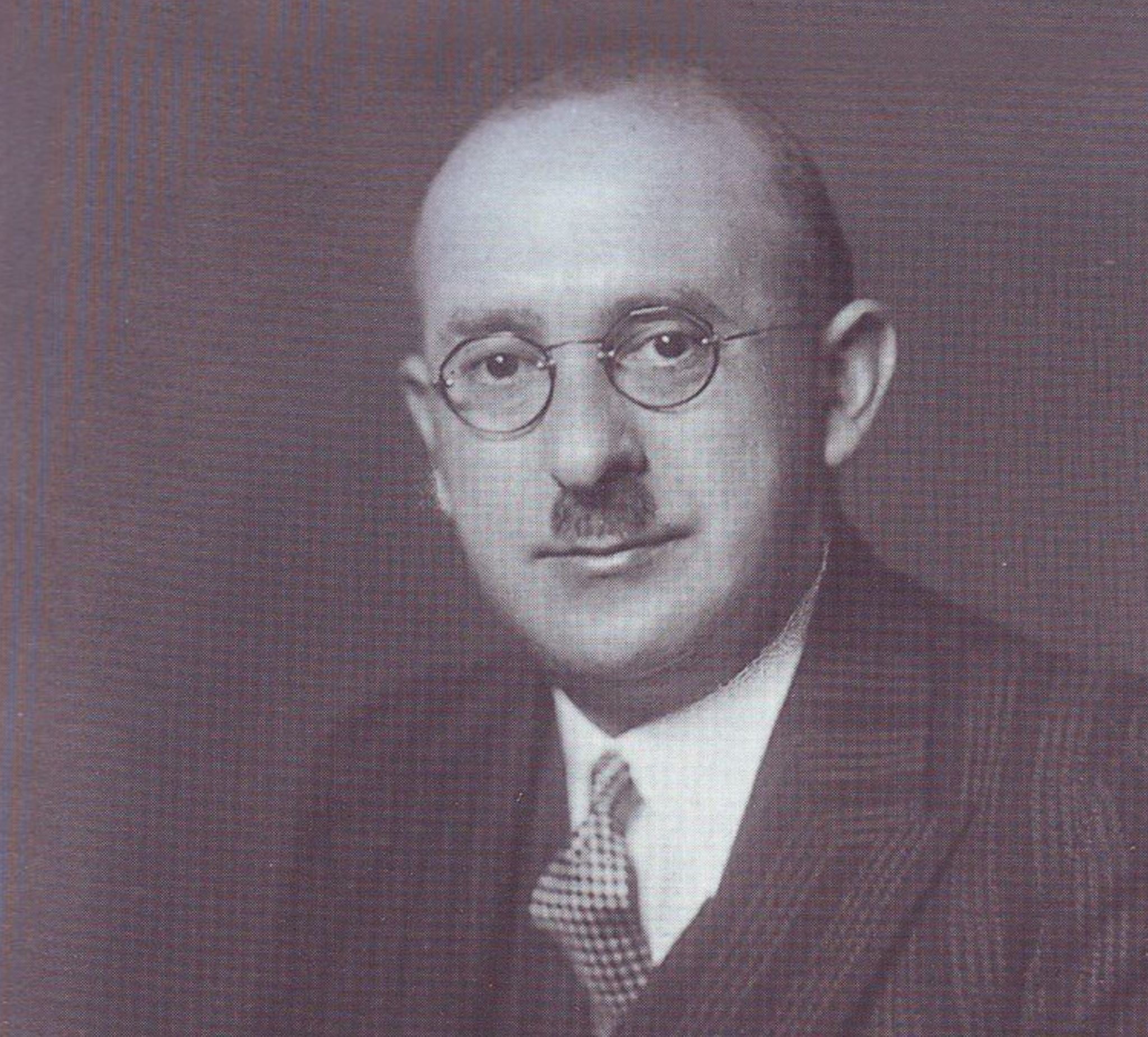
Oscar Deutsch was born on 12 August 1893 in Birmingham, in the Balsall Heath area. It was a white working-class neighbourhood not far from the centre of Birmingham and the whole of the West Midlands. Its residents lived in terraced houses, located close to one another. But it was a close-knit and strong community.
The Jewish family into which Oscar was born was quite well established and well integrated into the local economic life. Birmingham, which at that time was one of England’s major industrial centres, offered a very dynamic environment conducive to entrepreneurship and innovation. Naturally, the city’s Jewish community played an active role in trade, crafts and services. Later on, it was this environment that had a profound influence on the young Deutsch.
Especially considering that his father was involved in commercial activities, which allowed Oscar to become familiar with the realities of the business world from an early age. He received a thorough education focused on rigour, discipline, and independence. Whether unfortunately or fortunately, the young man did not study at a prestigious university in the academic sense of the word, but instead began to master the practical side of the business at a very early age, thus developing his intellect. The young man closely observed the market, learned to understand the public and developed his rare ability to predict social trends. developing his intellect. The young man closely observed the market, learned to understand the public and developed his rare ability to predict social trends.
Before becoming involved in cinema and later becoming a prominent figure in British cinema, Oskar Deutsch took his first steps in business in the real estate and commercial sectors. At the beginning of the 20th century, in the 1920s, he became interested first in independent theatres, and then in cinemas. Here it should be noted that at that time, these cultural and recreational establishments were very heterogeneous in terms of their organisation and quality. For example, in those years, many cinemas were poorly equipped, uncomfortable and depended on irregular programming.
Professional beginnings: first attempts
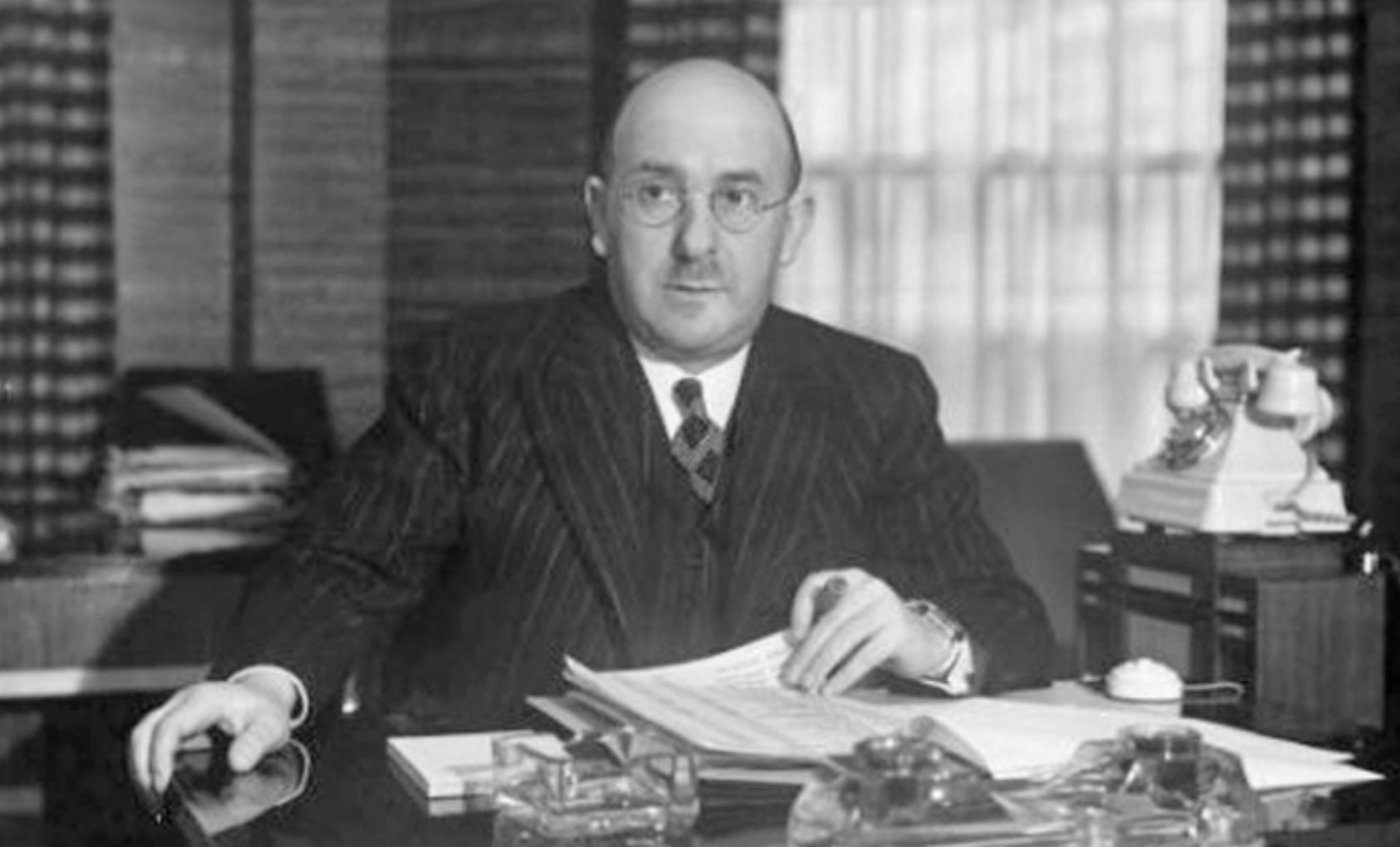
Against this backdrop, Oscar Deutsch quickly realised that cinema was not just about films that could be shown anywhere. In his view, watching films should involve a comprehensive aesthetic experience: the viewer had to feel and experience a state of spiritual and sensual euphoria, elation, joy, perhaps even catharsis, along with spiritual pleasure.
Therefore, in Oskar Deutsch’s understanding, cinema as a process and the cinema as a place where this action takes place is, among other things, architecture, comfort and image. He began by purchasing or building small halls, experimenting with new concepts at the time. These included comfortable seats, careful lighting, modern facades and, most importantly, a recognisable visual identity.
As it turned out later, Oscar Deutsch’s first experiments were decisive. Thanks to them, the young businessman was able to test his ideas in practice and refine his vision of the cinema as a true hub of urban life. In 1930, Oscar Deutsch officially founded Odeon Cinemas. The name Odeon quickly became synonymous with modernity, quality, comfort and, at the same time, popular performances.
In less than ten years, the chain experienced rapid growth throughout the United Kingdom. More than 250 cinemas were built or integrated into the chain across the United Kingdom.
The main thing is turning
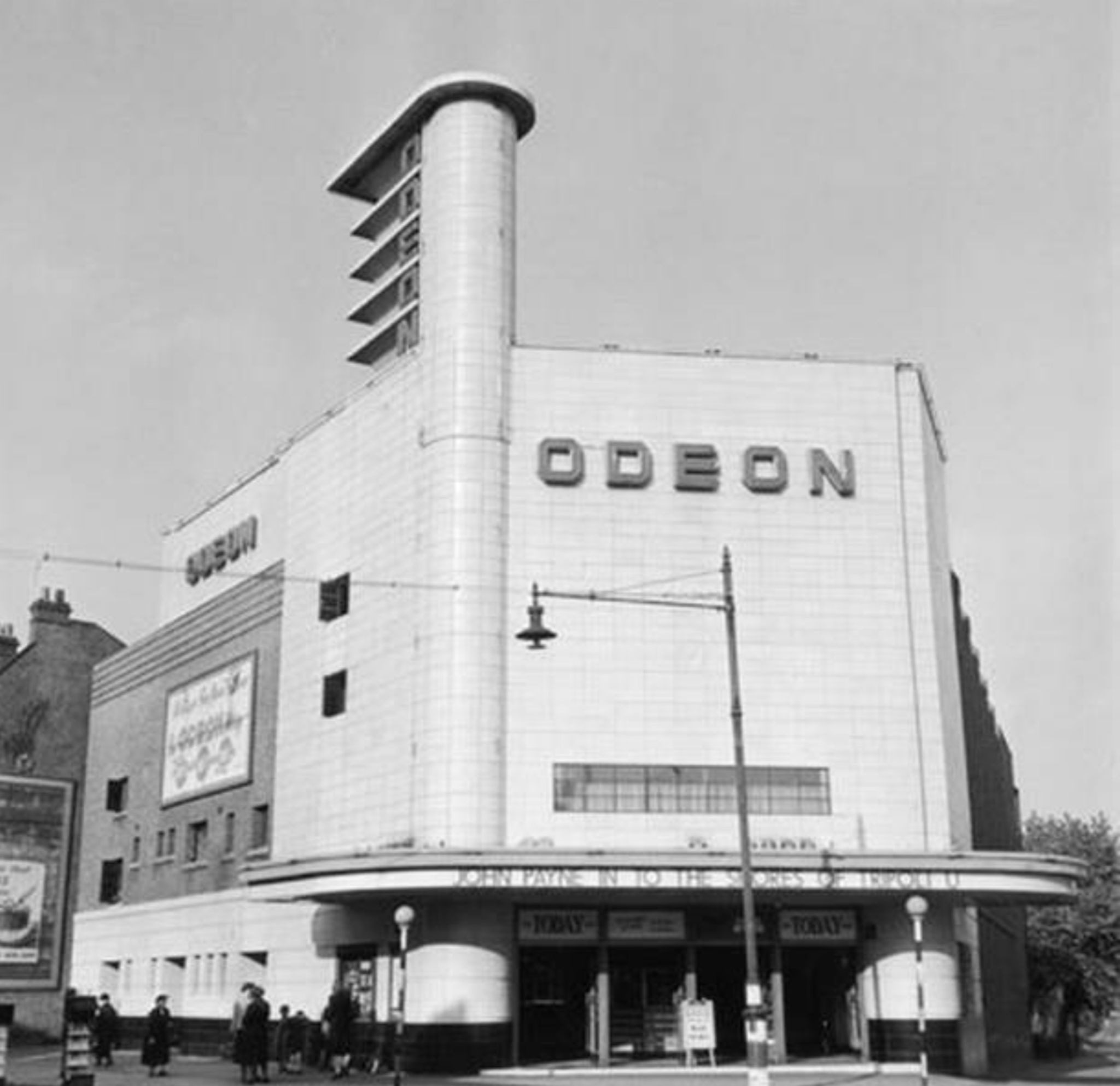
One of Deutsch’s main innovations was his attention to cinema architecture. He collaborated with renowned architects, favouring Art Deco and Modernism, which gave Odeon buildings a futuristic and elegant look. These cinemas could not go unnoticed. They became city landmarks, symbols of progress and optimism in cities that were sometimes experiencing economic crises.
At the same time, Odeon stood out not only for its buildings. Deutsch wanted cinema to be accessible to everyone, both financially and socially. He wanted as many people as possible to be able to buy local tickets, regardless of their financial status, and for the programmes to be regular. This was the experience designed to retain the audience. For many Britons in the 1930s, visiting the Odeon became a weekly ritual, an escape from the difficulties of everyday life.
But despite its nationwide fame, Birmingham continued to occupy a central place in Oscar Deutsch’s biography. It was in this city that he was born, witnessed the social transformations in industrial England, and laid the foundations for his ambitions. Even after the national success of Odeon, Birmingham remained a symbolic anchor for him — a place where his vision took shape.
It was Birmingham, the second largest city in the UK, that perfectly illustrated the audience Oscar Deutsch sought to reach. Clearly, this was the urban population, which worked hard and sought entertainment and modernity. In this sense, Birmingham was not only his birthplace, but also a social laboratory for his cultural project.
Today, we can confidently state that Oscar Deutsch was an outstanding British businessman of Jewish origin, born in Birmingham and known as the founder of the nationwide Odeon cinema chain. He was born into a family of Hungarian Jews and became a pioneer of the British film industry, creating stylish and comfortable cinemas across the country, which made watching films an accessible national pastime.
Recognition and legacy
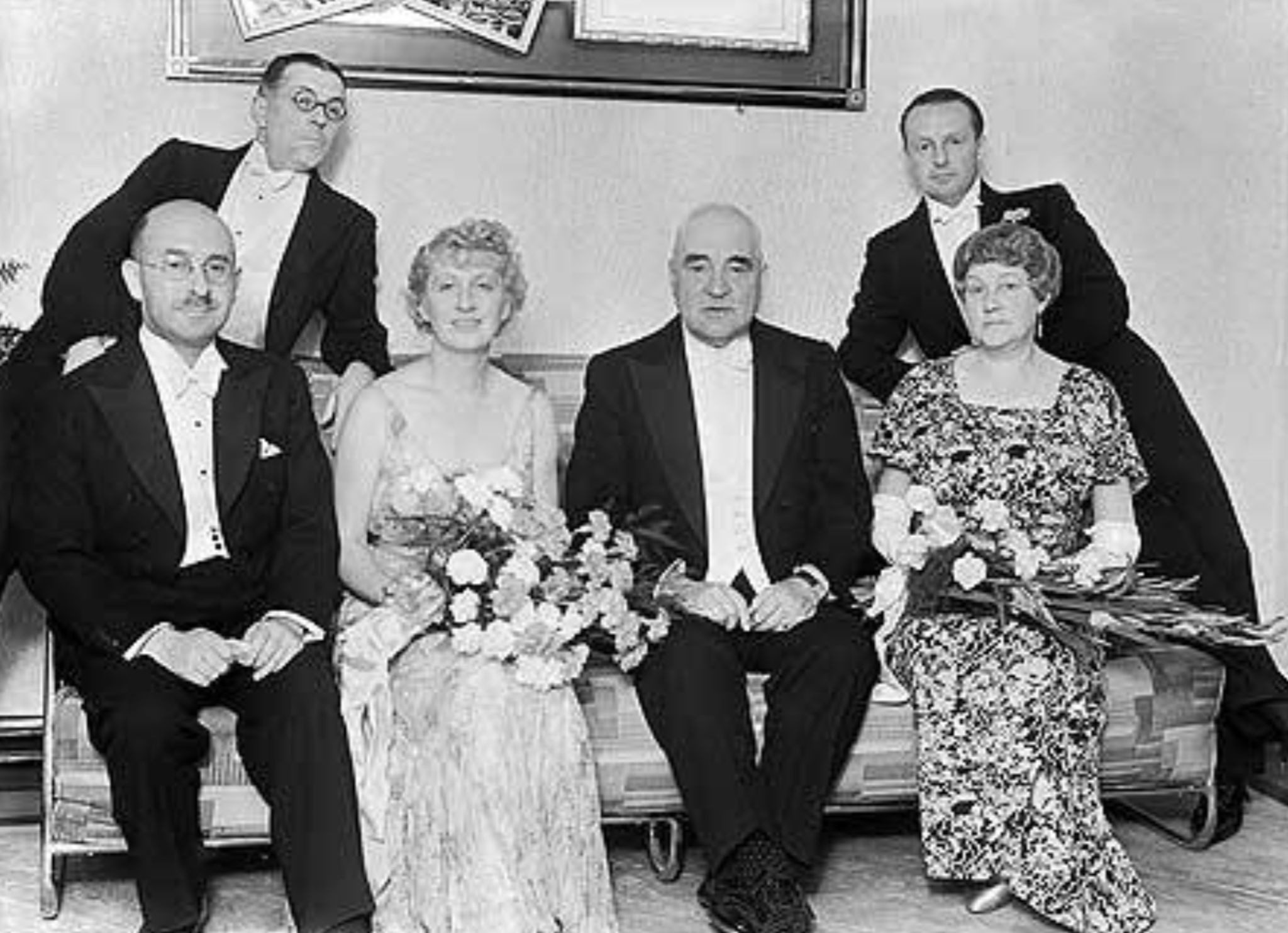
An enterprising visionary at a time when cinema was still an irregular and often elitist form of entertainment, Deutsch managed to transform film screenings into an accessible event deeply rooted in the everyday life of the masses. His name is forever associated with the democratisation of cinema and the emergence of a new urban leisure culture.
Sadly, Oscar Deutsch died prematurely in 1941, at the age of 47. Despite his relatively short career, his influence on British culture was enormous. After his death, the Odeon Cinemas chain continued to grow and became one of the pillars of the European film industry, eventually gaining international recognition.
Although Oscar did not receive any major official awards during his lifetime, his legacy is now widely recognised. He is considered one of the founders of modern cinema, a man who understood earlier than many others that popular culture could be profitable, aesthetic and socially structuring at the same time.
Oscar Deutsch remains a symbolic figure of the interwar period. A British entrepreneur of Jewish origin, he managed to turn a bold idea into a lasting cultural phenomenon in Birmingham, leaving a deep mark on the history of British cinema and society.
Sources: