

Every year, thousands of Britons fall into the cunning traps set by modern fraudsters. From large cities such as Birmingham to the remotest corners of England, no one is immune to the possibility of being deceived. When asked how people can be so easily deceived and how greed, gullibility and sometimes isolation create a fertile ground for fraud, it should be said that very often the victims themselves, even without realising it,
In a world where technology is advancing faster than caution, fraudsters are using increasingly sophisticated methods, combining psychology, manipulation and technical skills to extract money and personal information. Read about one of Birmingham’s con artists who deceived gullible women for personal gain at birminghamski.com.
Fraud, as one type of crime
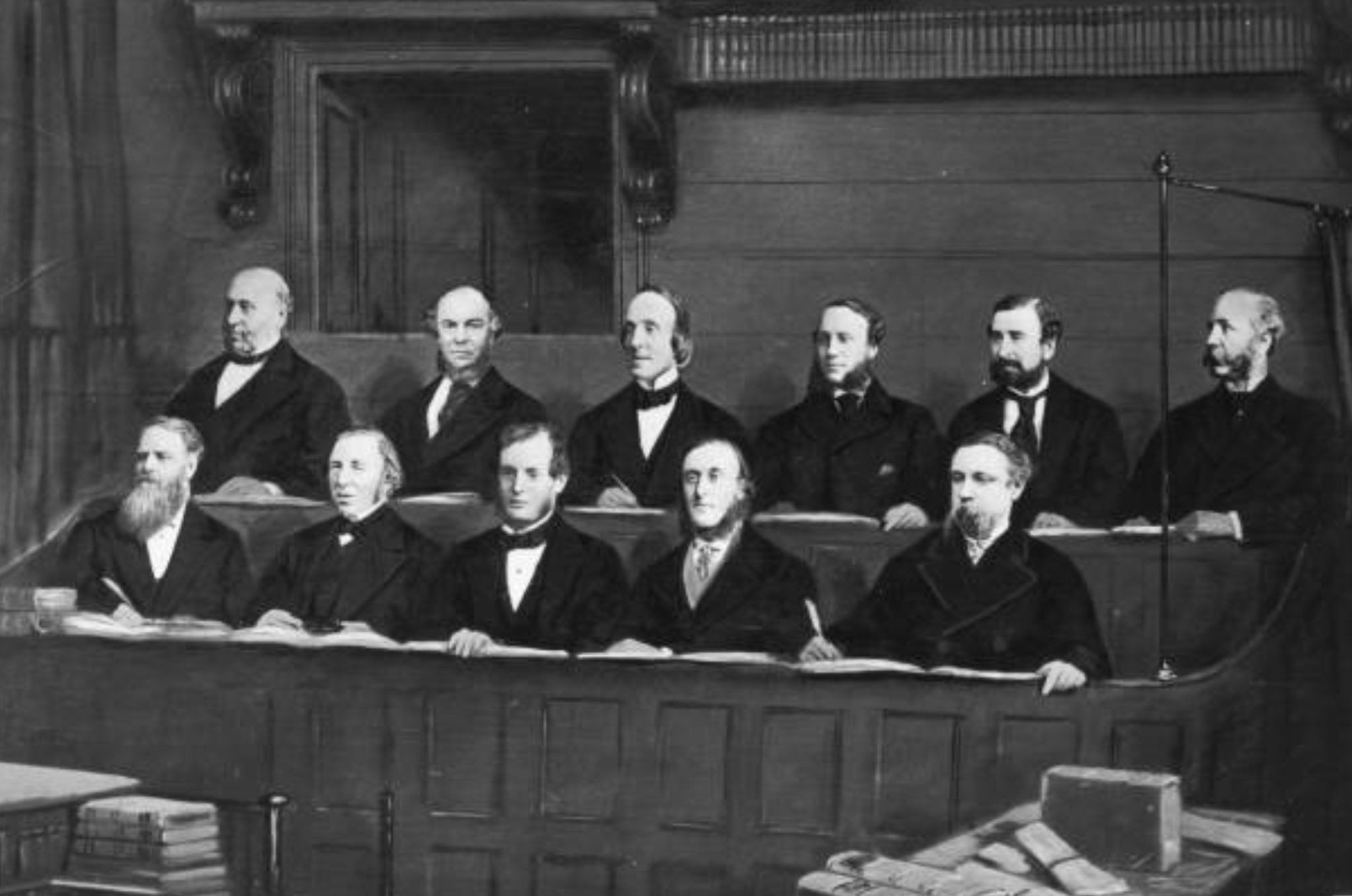
Nowadays, fraud in the United Kingdom takes various and sometimes quite unexpected forms. For example, authorised transfers, when the victim believes that they are acting to protect their property, but in fact they are transferring their money to a fraudulent account. In this case, fraudsters play on fear, urgency and trust.
Internet fraud is inevitable, especially on trading platforms. Tempting offers for phones or flats attract thousands of gullible people. Who can resist a brand-new iPhone for half the price? However, after payment, nothing good happens, quite the opposite — no goods, no contact.
Similarly, Britons are being caught out by fake investments and promises of quick profits. We are talking about cryptocurrencies, fictitious projects, miracle stocks, etc. At the same time, victims lose their savings, which they have sometimes accumulated over many years. The thirst for profit overshadows caution.
Another type of fraud that is widely used by criminals in England in general and in Birmingham in particular is identity theft and fake official services. This involves a call from the “police”, an email from a bank, or an SMS from the tax office. At first glance, everything looks legitimate, but the goal is simple: to lure out codes, personal data, and money.
As for Birmingham itself, fraudulent real estate transactions are particularly prevalent in the city. Families, students and single people are lured in by fake housing advertisements. The hope of finding affordable housing quickly turns into a financial and personal nightmare.
The history of English fraud
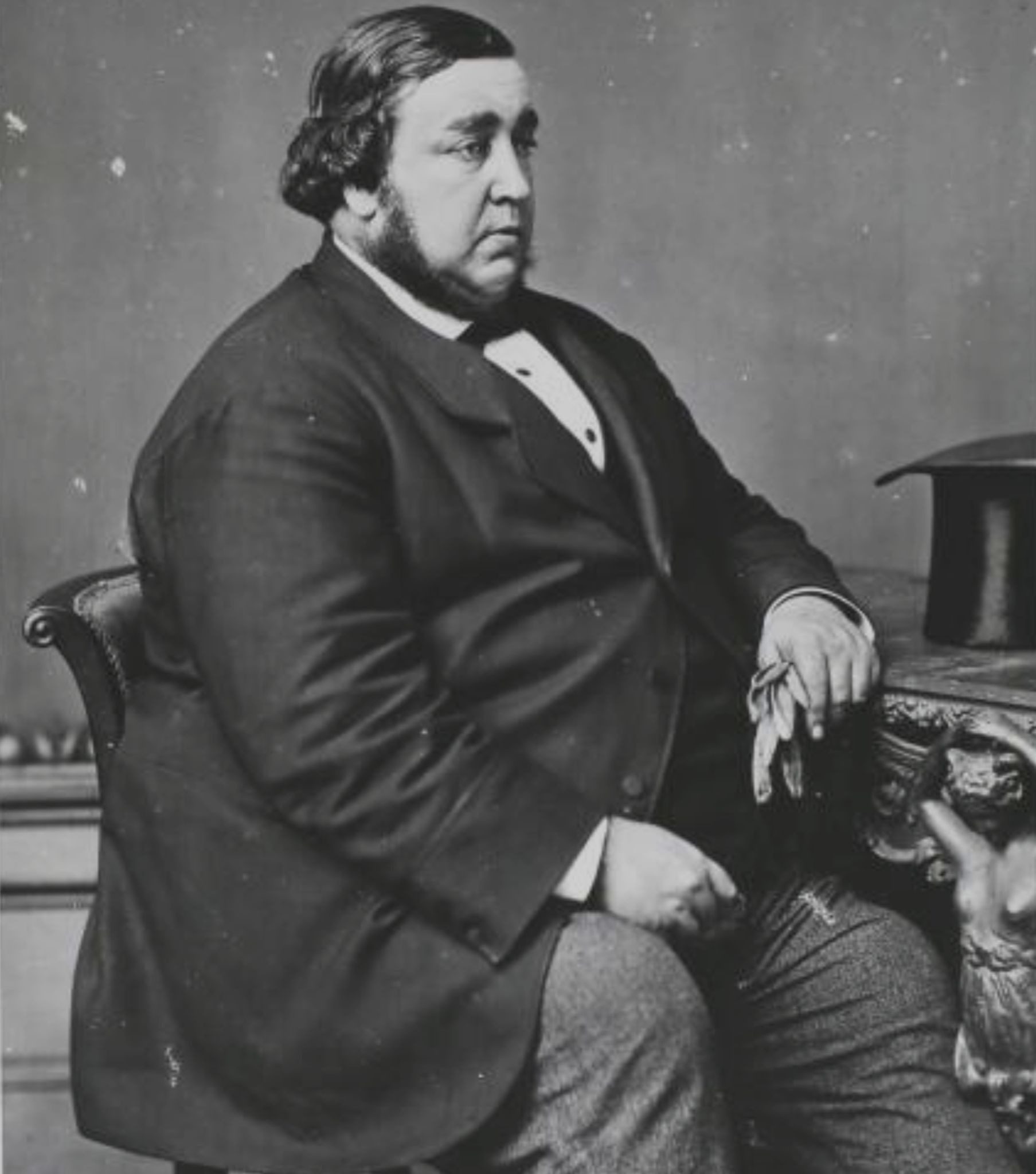
Sadly, fraud has a long history. One of the most striking examples of this is the case of Teachburn, which became widely known in the 19th century and remains a symbolic example of the art of deceiving the masses. A few words about Roger Teachburn.
He was born into one of the most aristocratic Catholic families in England and received an exceptional education and upbringing in Paris. Officer Roger Tichborne was a man of worldly consciousness. On 20 April 1854, at the age of 25, the young man, having completed his journey through South America, boarded the ship Bella, which was sailing from Rio de Janeiro to Jamaica. Four days later, the wreckage of the ship was found off the coast of Brazil, with no survivors.
After the death of Roger Teachburn, heir to a very wealthy family, a man suddenly appeared who claimed to be the missing person. Contrary to all logic and despite obvious contradictions, he managed to convince several influential people and win the favour of public opinion. Newspapers followed the trial with enthusiasm, turning the case into a real national soap opera.
Arthur Orton, a butcher from Wagga Wagga, Australia, claimed to be Sir Roger Teachburn, who was believed to have disappeared at sea in 1854. Although Lady Tichborne and some other family members, as well as associates, numbering over a hundred people, initially accepted him and supported his claim, Orton lost the Teachburn inheritance case in 1871.
Later, he was arrested on charges of perjury and, after a second trial in 1874, convicted. The man served ten years in prison. He died in poverty in 1898. However, this scam became legendary, teaching us that emotions, charisma and a well-told story can blind even the most cautious people. Greed, curiosity and the desire to believe in the extraordinary create the perfect breeding ground for fraudsters.
Modern Birmingham swindlers

James Whitehouse, known for his dating site scams, epitomises modern-day fraudsters in Birmingham. He pretended to be the “perfect man” to charm women he met online before stealing their personal details to take out loans in their names to feed his gambling addiction. Or, to be more precise, the thief took out payday loans in the names of his victims, who were head over heels in love with him.
Incidentally, 30-year-old Whitehouse is from Stitchford, one of Birmingham’s districts. He pleaded guilty to four counts of fraud against four women. The total amount he embezzled was approximately £1,800.
One of the victims described James Whitehouse as the perfect man before he used her personal details to obtain loans. The perpetrator tried to cover up his crimes. He told the unsuspecting women that money would be transferred to their accounts and asked them to pass it on to him. The victims had no idea that these were loans taken out in their names.
The women found out about this during the court hearing. What’s more, as reported to the court, one of Whitehouse’s victims was forced to declare bankruptcy due to the exorbitant interest rates she had to pay on the loan. Despite Whitehouse’s lawyer stating that the suspect had tried to overcome his gambling addiction and had saved £500 to send to his victims, Judge William Davis sentenced the criminal to two years in prison.
Protection — vigilance and caution
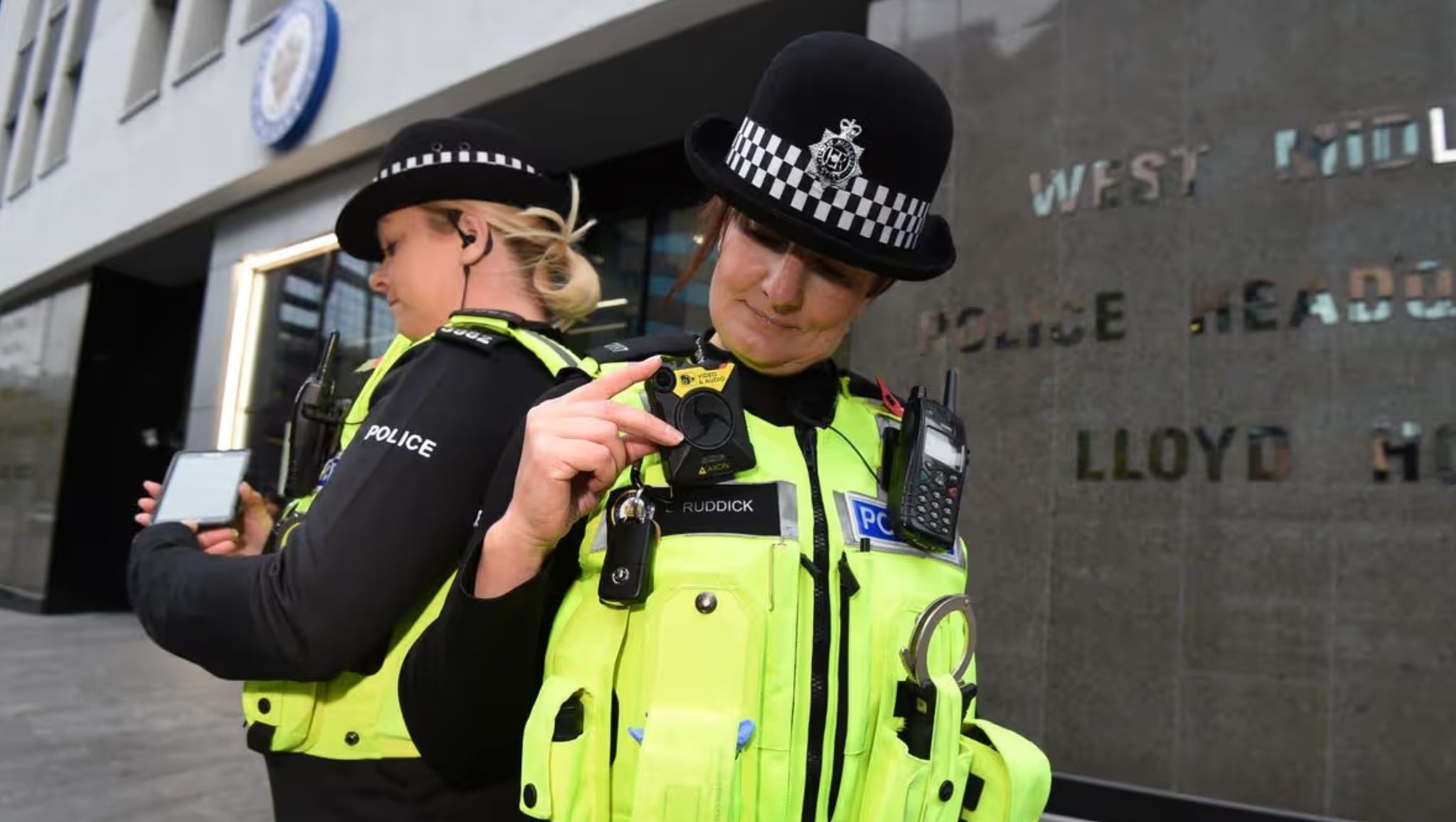
So what should you do in the face of a constant stream of fraudulent schemes? Here are some practical tips:
- Always check before paying: deposits, transfers, important transactions must be verified and confirmed.
- Do not trust unsolicited messages, calls, SMS, or emails. They should never prompt you to disclose your confidential information.
- Strengthen your digital security — antivirus software, complex passwords, two-factor authentication.
- Consult with loved ones before making an important financial decision; ask a friend or family member for advice.
- report any attempts at fraud, because informing the authorities helps protect other people and limit the spread of these crimes;
- Vigilance, education and caution are the only effective means of protection against such dishonest practices.
In summary, it can be said that from the complex schemes of the 19th century to the sophisticated scams of modern Birmingham, one thing remains unchanged: these criminals always exploit human weaknesses. Trust, greed and naivety can be costly. But information, caution and critical curiosity remain the best defence. Everyone can learn to protect themselves and others from these invisible but omnipresent dangers.
Sources:
- https://www.birminghammail.co.uk/news/local-news/stechford-dating-website-conman-took-6245874
- https://www.forbes.com/advisor/uk/personal-finance/scams-beware/
- https://www.birminghamworld.uk/news/crime/fastest-growing-scams-study-shows-4851063
- https://fr.businessam.be/le-royaume-uni-a-signale-un-nombre-record-de-cas-de-fraude-en-2024/
- https://financefeeds.com/fr/40-of-uk-scam-victims-never-recover-lost-funds-says-yaspa/