

George Edmonds, a well-known Birmingham lawyer and native of the city, who was famous primarily for his rebellious spirit, wanted to reform Birmingham through the law. The methods he proposed for this were quite radical. In 1819, he was accused of nominating an illegal local representative from Birmingham. It should be noted that at that time, the city did not have a representative in parliament. This resulted in him spending a year in Warwick Castle.
Edmonds is also known for his active membership in the Birmingham Political Union alongside Thomas Attwood. Later, in the 1830s, he fought for Birmingham’s right to vote and for local representation in the country’s parliament. Read about the life of one of the city’s leading public figures, local radicals, writer, author of “Universal Alphabet, Grammar and Language” and renowned lawyer at birminghamski.com.
Birmingham in those days
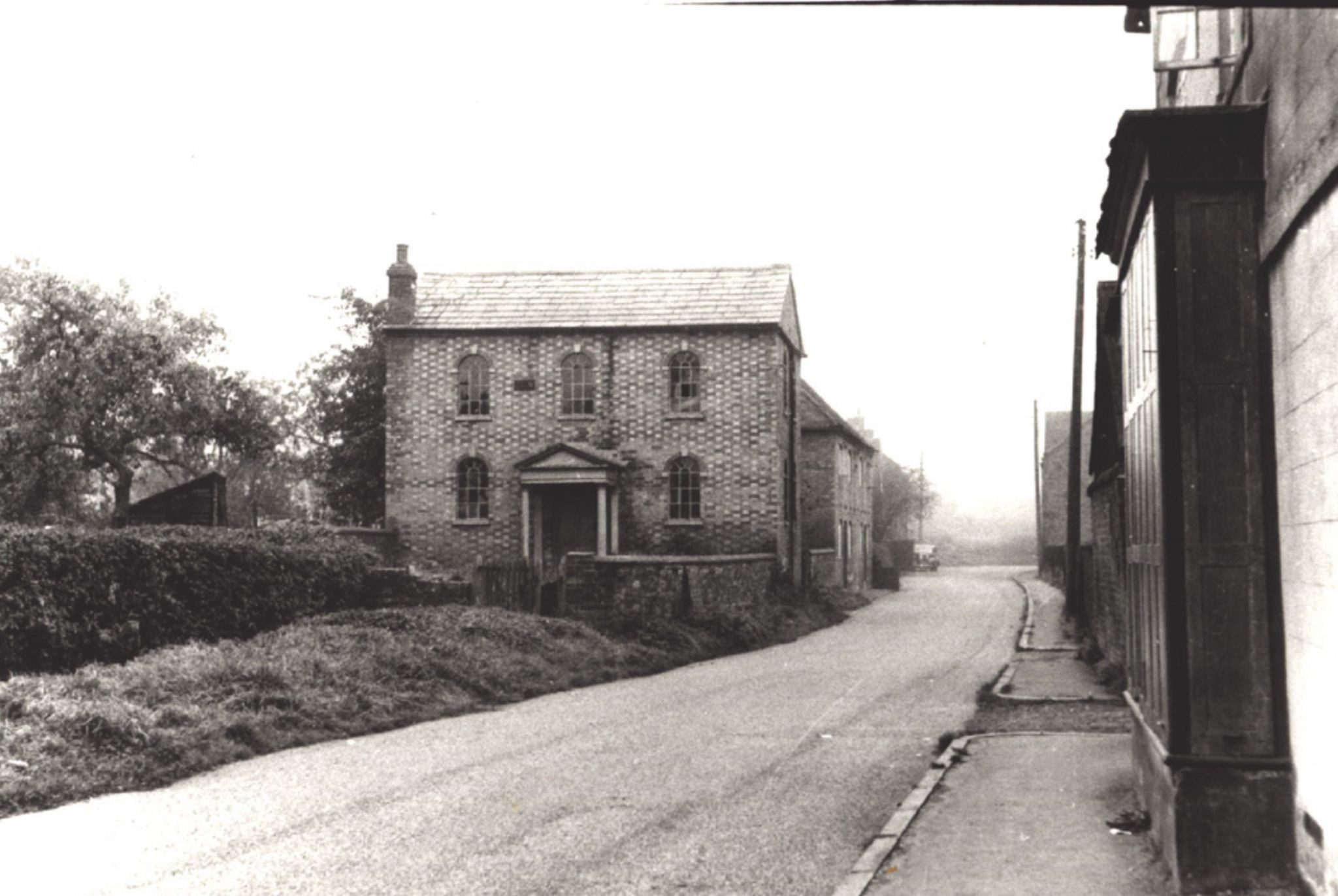
As is well known, in the 18th and early 19th centuries, Birmingham began its transformation from a small market town into one of the largest urban centres in England. To be more precise, it became the third largest city in the country. According to the 1801 census, the city’s population reached 60,822, in 1831 — over 100,000, and by 1851, this figure exceeded 230,000.
A significant part of the population growth was associated with internal migration, especially from remote areas. City residents and their families experienced both sides of such rapid urbanisation — opportunities and disruption. On the one hand, the expansion of manufacturing, retail trade and services created new opportunities for people; on the other hand, it caused disruption due to the loss of familiar patterns of everyday life.
At the same time, expansion took place both within the city and in its suburbs. When Bond Street Chapel was built near Constitution Hill in 1787, it was still on the edge of green fields. Young Edmonds could witness the gradual expansion of the neighbouring industrial area. Wealthier residents moved to the suburbs, particularly to the new elite neighbourhood of Calthorpe Estate in Edgebury.
It was during this period that many areas of the city quickly became overcrowded, gardens disappeared, and courtyards appeared in their place. Wittall Street, where Edmonds and his family moved in the spring of 1832, was located near the armoury district and quickly transformed from an area of relatively elegant houses to an area filled with courtyards. Although Birmingham had a good drainage system and high-quality water, the close proximity of housing and manufacturing created its own difficulties. Although the city managed to avoid the worst excesses of basement living, unsanitary conditions prevailed.
In other words, behind the outward prosperity lay a grim reality. We are talking about poverty and social inequality; add to that a lack of political representation and justice, which was often inaccessible to the poorest sections of the population. It is in this context that the figure of George Edmonds stands out — a lawyer, reformer and leading figure in Birmingham’s public life.
Childhood and education
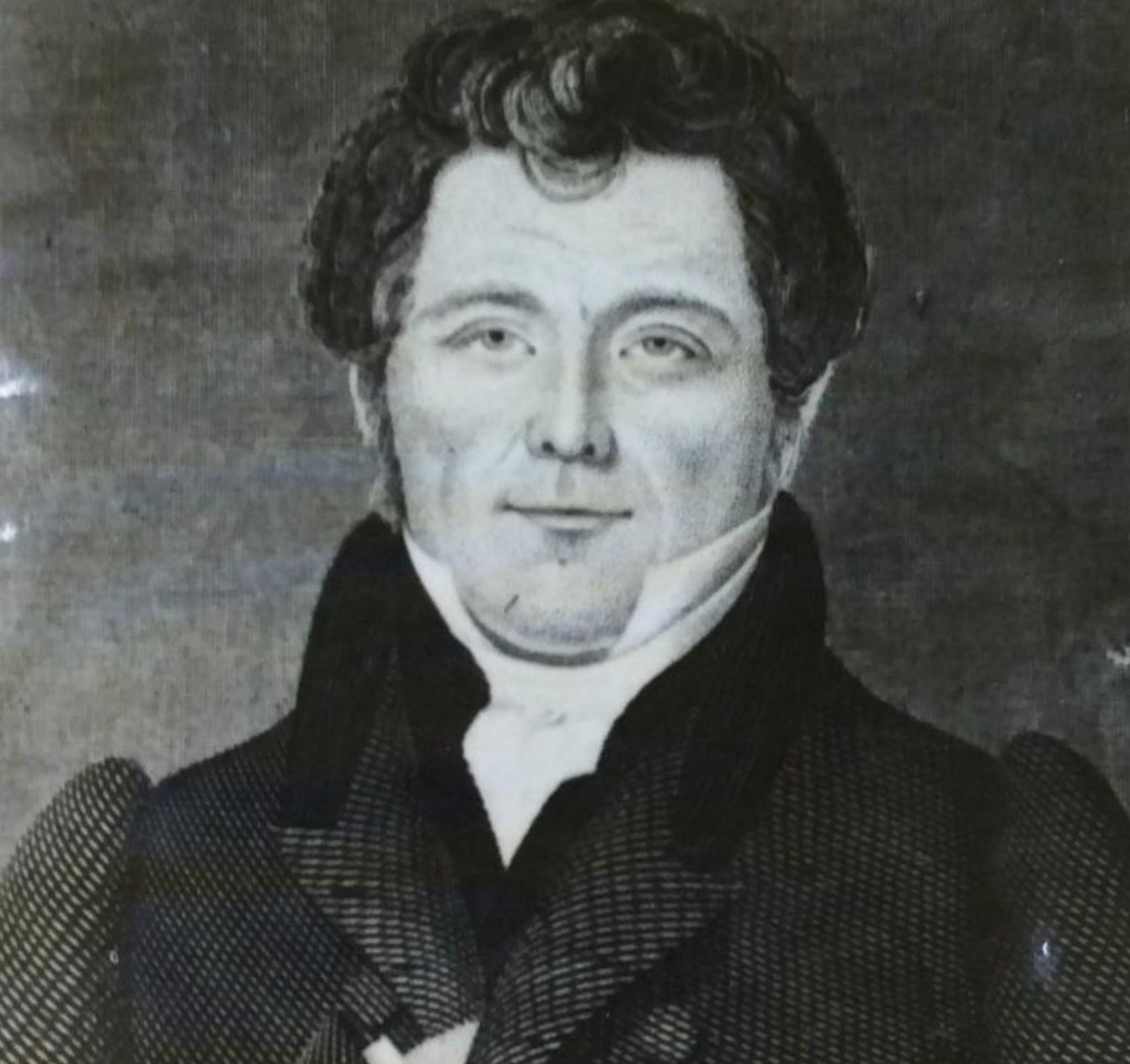
Born in 1788, Edmonds belonged to a generation that experienced the political and economic upheavals of its time. Unlike lawyers from wealthy families, his path was that of a man who rose through education and personal conviction. His legal education was based on a solid intellectual discipline, underpinned by the idea that the law should serve society as a whole. He realised very early on that the law could not be reduced to a mere technical tool: it must also have a moral dimension.
George Whitefield Edmonds was the son of Edward Edmonds, founder of the Baptist chapel on Bond Street, and his second wife Sarah. It is said that he was named after the evangelical preacher George Whitefield. George was the fifth child in the pastor’s large family. He grew up in the family home on Kenyon Street. During his childhood, both Bond Street and Kenyon Street were on the outskirts of an industrial area north of central Birmingham.
Edmonds grew up in a strong religious culture, where the dissenting Christian faith had a dominant influence. The Edmonds family was a pillar of the Baptist community in Birmingham in the 19th century and was known for its piety. Incidentally, George’s grandfather, Amos Edmonds, was a gun barrel maker and a leading member and deacon of the church on Cannon Street.
George Edmonds turned eighteen in March 1806. He spent his childhood and youth in the family home and the Baptist chapel and their surroundings. He absorbed the democratic and independent spirit of the church and was also under its watchful eye. Edmonds began his working life as a button polisher, working for Hammond and Turner of Snow Hill.
Career and beliefs
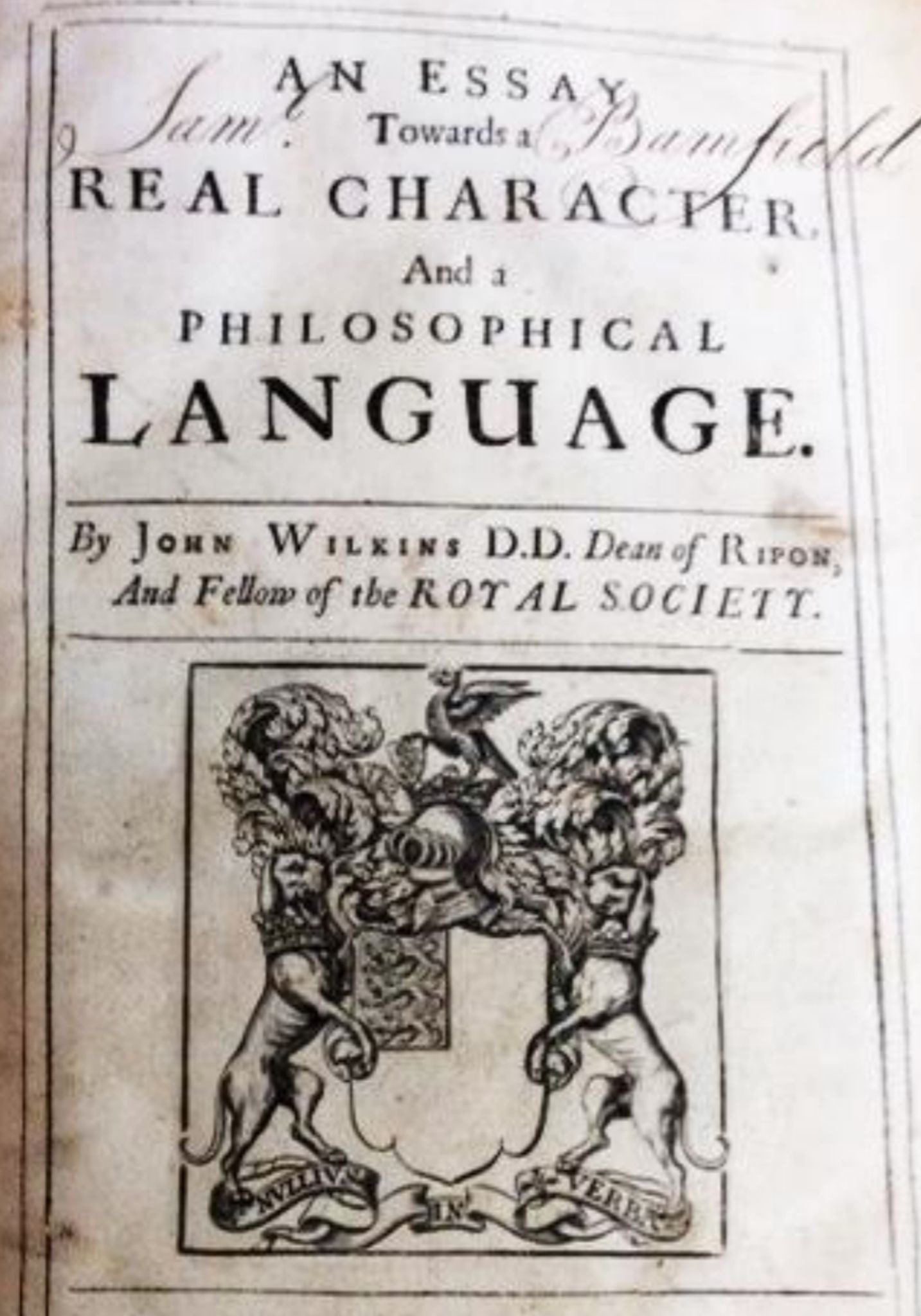
The next stage of his career was working as a school teacher in Blockley. Later, this sparked a scandal: one of the satirical magazines claimed that Edmonds got the job at this prestigious and well-attended school thanks to Mr. Smith, a Baptist minister and friend of his father.
When George began his career as a solicitor in Birmingham, the city was undergoing rapid but chaotic growth. The courts were overflowing with cases involving debts, commercial disputes and social tensions. Edmonds made a conscious decision to settle in the very heart of this urban reality.
He defended artisans, small traders, and sometimes workers who were prosecuted for paltry sums. It was this choice, by no means accidental, that shaped his reputation as a diligent lawyer who paid close attention to structural injustices.
Over the years, Edmonds realised that the problems he observed in the courtrooms went beyond purely private law. They were a symptom of an archaic political system that was unable to represent the interests of the rapidly growing city’s residents. So George actively joined the reform movement and became one of the figures of the Birmingham Political Union. This organisation played a key role in mobilising support for parliamentary reform, demanding fairer representation and the extension of voting rights.
One episode particularly illustrates Edmonds’ determination. During popular protests related to the reform, several participants were arrested without substantial evidence. Edmonds publicly condemned such actions by the authorities, stating that the law, if applied unfairly, loses all moral legitimacy. For a 19th-century lawyer, this position was very risky. It provoked hostility from part of the local elite, but strengthened his status as a defender of civil rights.
Outside of work
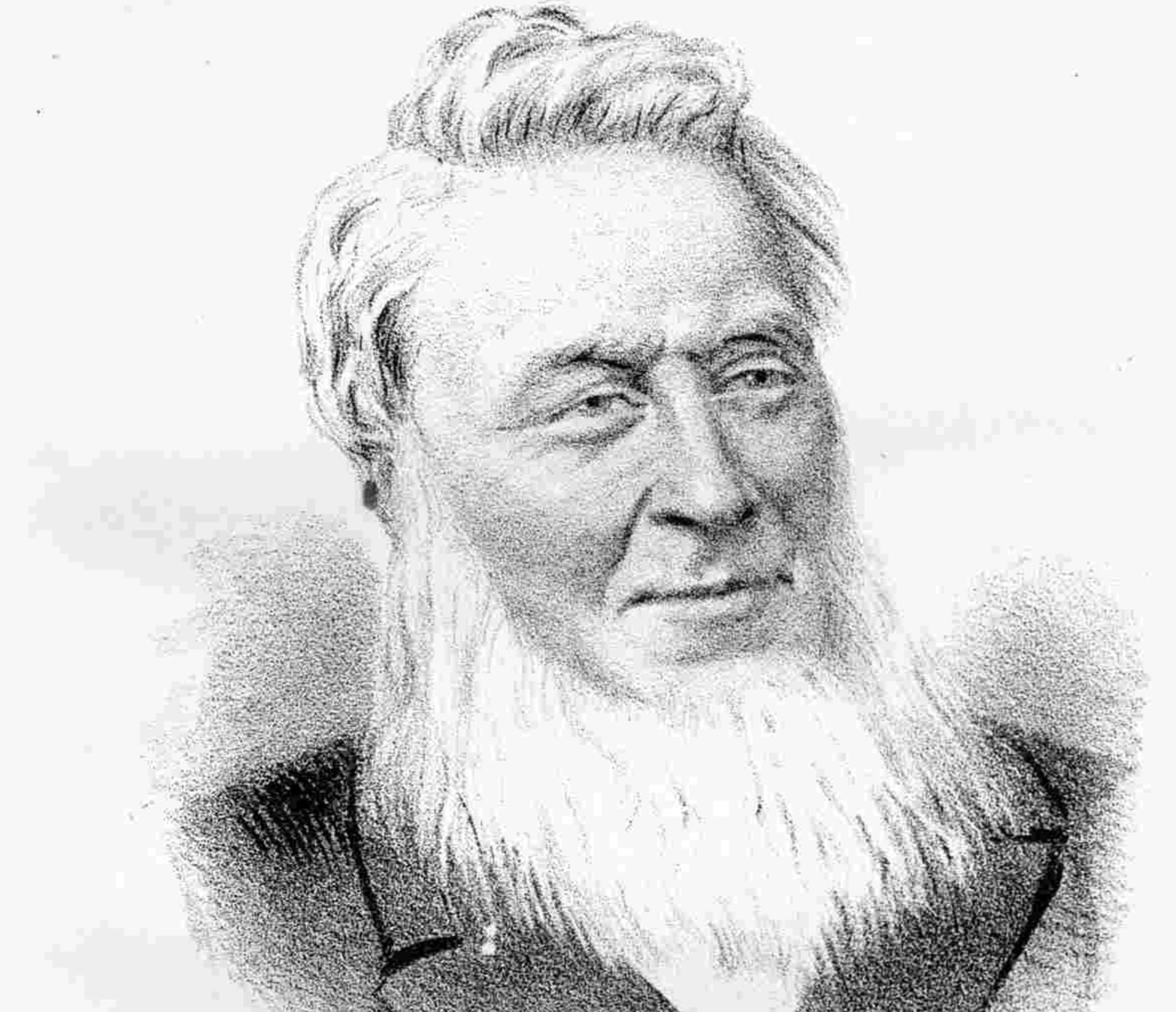
Beyond his official duties, Edmonds remained an influential intellectual figure. He participated in public debates, wrote about the political and legal issues of his time, and contributed to the formation of Birmingham’s civic culture.
His work was part of a broader movement of reformers who, without disrupting the established order, sought to adapt it to the new realities of industrial society. When he died in 1868, George Edmonds left behind a modest legacy.
Sources: