

For over 20 years, the Fierce Performance Festival has been a beacon, showcasing Birmingham as a vibrant, diverse, and tolerant city where incredible new art can pop up in the most unexpected places. Held every two years, Fierce breathes new life into theatres and galleries, but also transforms neglected spaces like derelict warehouses, swimming pools, and car parks into temporary hubs for exhibitions, theatrical shows, music, or spontaneous parties. To find out more, check out birminghamski.
The Festival’s Mission
In a world rapidly dominated by information technology, which can often feel isolating, Fierce offers a much-needed antidote to the digital age. Organisers encourage people to connect in real time and space, forming a temporary, utopian community. The festival is a playground for experimentation, inviting people to test new ideas for the greater good. It’s an open invitation to express your own thoughts and feelings, immerse yourself in the city’s creative landscape, and discover new, sometimes provocative, art that offers an unparalleled cultural experience.
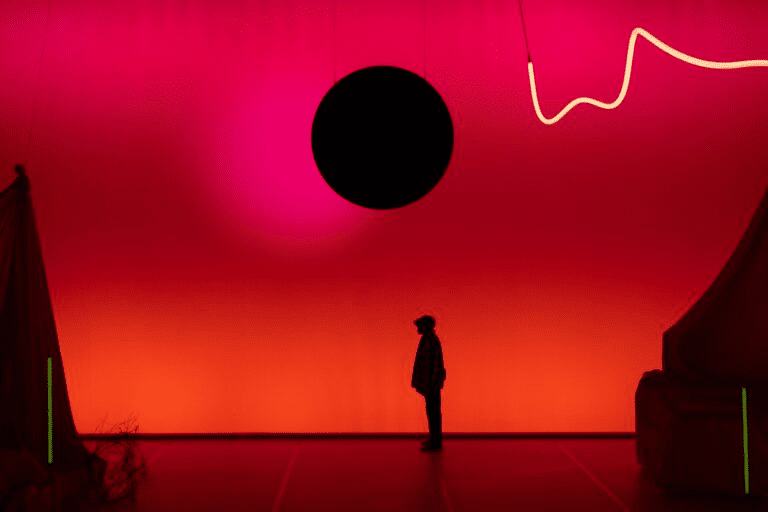
The curators at Fierce are dedicated to seeking out artists who can use performance to amplify marginalised voices and tell alternative stories. Their mission is to challenge expectations about what art can be, who can create it, and where it should be shown.
History of Fierce
The festival’s story began in 1998 with an arts programme called “Queerfest.” A year later, it evolved into a full-fledged festival and was rebranded as Fierce, with the playful tagline, “the festival that bites.” From the very beginning, the organisers aimed to attract an audience hungry for something edgy, spectacular, and out of the ordinary.
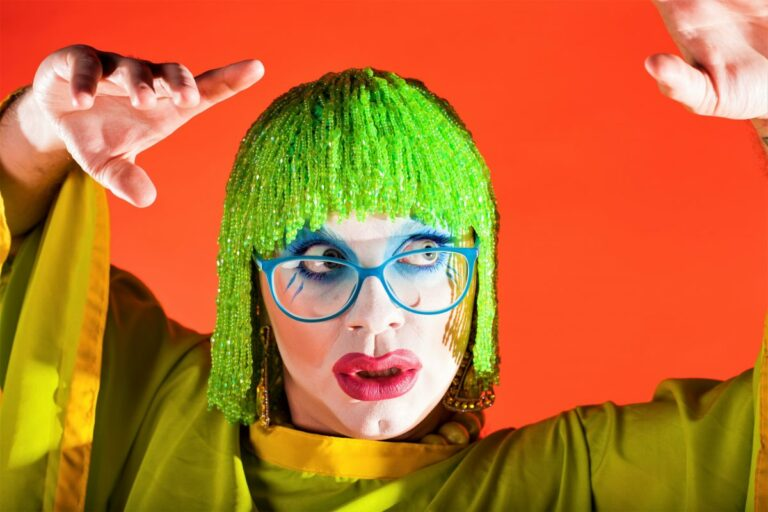
Over time, the festival’s popularity soared as more and more artists and fans were drawn to its unique and wondrous events.
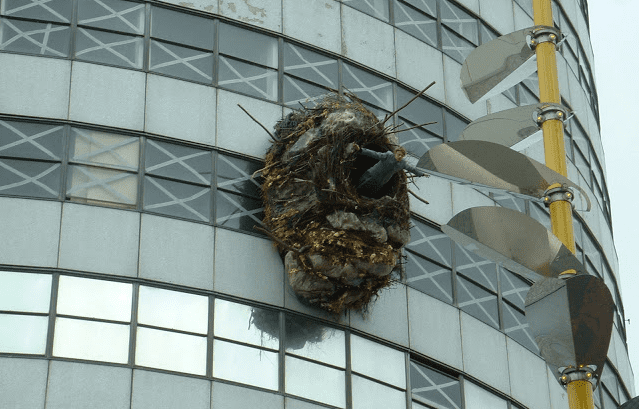
In 2005, Fierce hosted its first major performance: Belgian artist Benjamin Verdonck’s “The Great Swallow.” A huge bird-like installation was placed on the Bullring Rotunda skyscraper, earning it the nickname “The Birmingham Birdman” from locals.
Another landmark project came in 2008 with British artist Luke Jerram’s “Play Me, I’m Yours.” The concept was simple: put pianos in public spaces and invite anyone to play them. For three weeks, 15 pianos with the instruction “Play Me, I’m Yours” were placed in parks, markets, and train stations across Birmingham. The event attracted over 140,000 people and became so popular that it went global, eventually being replicated in 60 cities worldwide.
In 2007, British artist Joshua Sofaer presented another captivating piece for Fierce called “Name in Lights.” The public was asked to nominate a friend or family member whose name deserved to be displayed in a huge illuminated sign on the roof of the former Birmingham Library. The project was designed to make people think about the meaning of “celebrity” and what kind of life is truly worthy of recognition. A commission of prominent figures, including TV presenters, fashion designers, and advertising moguls, selected Una White—a simple hairdresser who had moved to the UK from Jamaica in the 1960s. She trained as a nurse and dedicated her life to working in a Birmingham psychiatric hospital. Her name was then proudly displayed in lights for everyone to see in the city centre.
Another highlight was “Beloved,” a project by American writer and vocalist Nicole Blackman. She invited participants on a private journey through the historic Compton Verney estate, with the goal of prompting them to reflect on moments when they had either shown kindness to others or received it themselves.
In 2008, the festival introduced online voting for the first time, allowing everyone to help judge the participants’ works.
Notable Projects from 2009–2022
A change in leadership in 2009 inspired artists to take their work to a new level. Lebanese artist Tania El Khoury was invited to present her project “Gardens Speak,” an interactive sound installation. It told the stories of ten people buried in gardens across Syria. Their relatives and friends recounted their loved ones’ lives, reliving memories and sharing audio recordings, which were mixed with the final words of the deceased. The piece was incredibly popular and toured 18 countries.
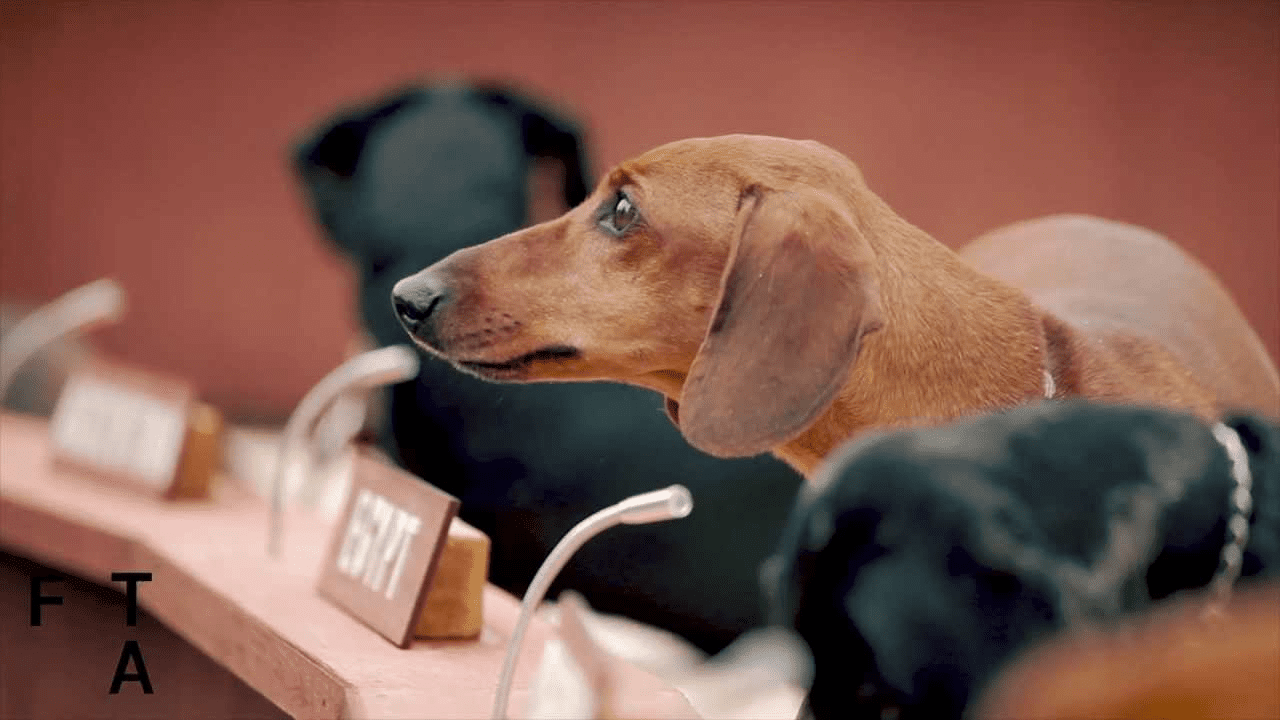
In 2012, Fierce featured the flamboyant performance “UN Dobermanns” by Australian artist Bennett Miller. A replica of the UN Human Rights Commission office in Geneva was set up outdoors next to the Ikon Gallery, with 47 live dachshunds serving as international delegates. The choice of dachshunds was deliberate: their distinct coat types—smooth-haired, long-haired, and wire-haired—were used to symbolise different nationalities.
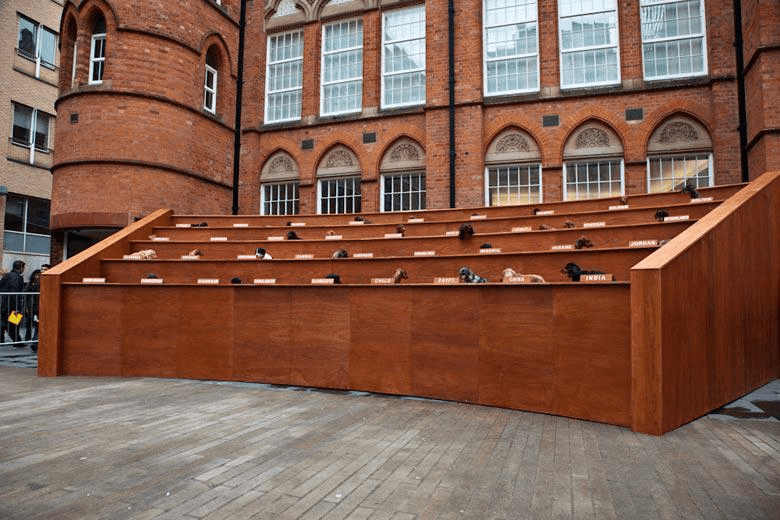
The “UN Dobermanns” project sparked a public debate about the utopian idea of the United Nations’ ability to create a universal system of justice.
Art can be not only physical but also imagined, a concept explored in Lundahl & Seitl’s “Symphony of a Missing Room.” Visitors to the Birmingham Museum were offered a strange tour. They were given wireless headphones, through which a mysterious guide led them through a route that included both real rooms and imaginary parts of the gallery’s architecture.
In 2022, Fierce welcomed American artist Paul Ramirez Jonas, known for his social practice artworks that explore the relationships between artist, audience, and the artwork itself. He first launched his “Key to the City” project in New York in 2010, and it made a thrilling appearance at Fierce in 2022. Over ten weeks, Jonas gave away 15,000 keys that could unlock 21 secret locations that most participants never knew existed.
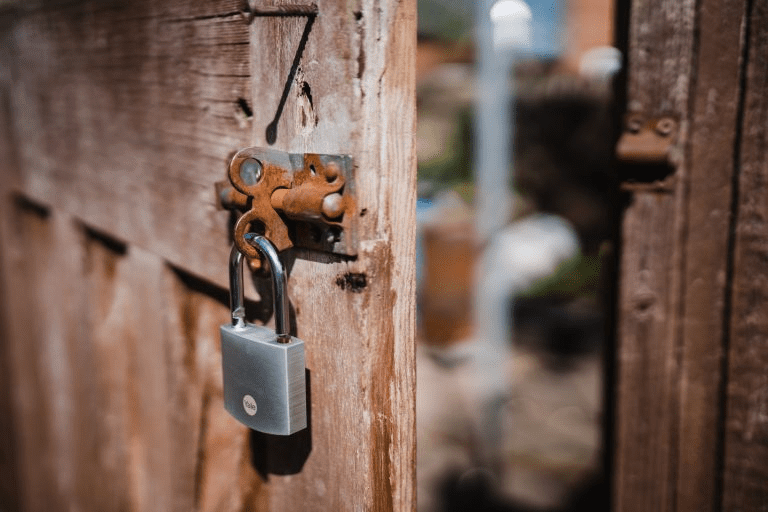
Through this project, Jonas championed the idea that culture should be free and accessible to all, while also drawing attention to the increasing privatisation of public urban spaces.
Fierce Lab
The Fierce Lab programme, funded by the Diverse Actions society, focuses on making the festival more accessible to artists of African and Asian descent. In 2019, a group of artists from these communities, all of whom had experienced racial discrimination, were invited to attend Fierce. They received funding for travel, accommodation, and a daily allowance, becoming full members of Fierce Lab. This gave them free access to workshops and all the festival events they wished to attend.
The programme selects artists who are at an early stage in their careers. Fierce Lab members are not required to produce any specific outcomes. They can participate on their own terms and with a flexible schedule. Their work can span various forms of contemporary art, including experimental theatre, social practice, club performance, and art activism.
Birmingham’s Fierce Performance Festival transforms the city into a platform for self-expression and mutual understanding, leaving a lasting impression with its incredible variety of contemporary art.