

If you happen to come across a saxophonist in Birmingham this July, don’t rush to get your change out—chances are, this isn’t a street musician trying to scrape together enough for a ticket home, but a performer at the Birmingham International Jazz & Blues Festival.
And the fact that this is a special event is evident from the way it doesn’t try to bombard you with posters or make you sell a kidney just to get a ticket. Everything here happens so ‘in passing’ that you might pop into a pub for a glass of water and find yourself, an hour later, listening to a trombone solo. These days, jazz literally lies in wait for locals and visitors everywhere: in libraries, in squares, and right in the middle of the street, blending almost seamlessly into everyday city life.
It’s entirely possible to walk right through the heart of one of the city’s most amazing festivals without even realising what it was. And when that slight sense of culture shock finally catches up with you and you want to figure out who all these people with instruments are, the answers are usually right there—for example, on birminghamski.com, where everything you might have heard (and, quite possibly, accidentally danced to) is neatly organised into categories.
The history of the festival
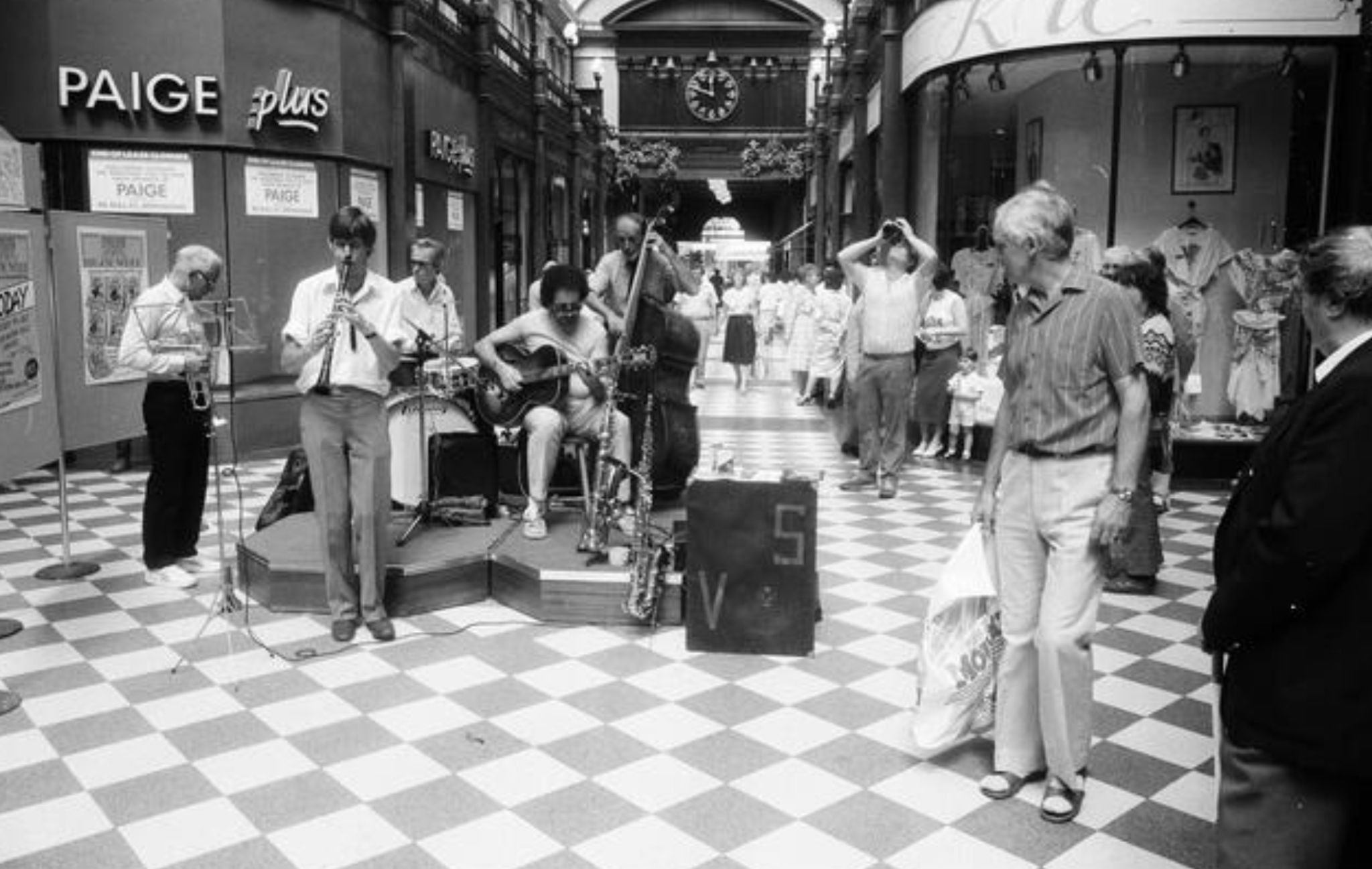
The paradox is that the Birmingham International Jazz & Blues Festival doesn’t look like something meticulously planned—but that’s exactly how it was conceived. In the mid-1980s, Birmingham decided to create a jazz festival that wouldn’t copy the big stages, headliners, and ticket prices that make you question the meaning of life. The idea was simpler and, at the same time, bolder: to take the music to where the people already are, rather than forcing them to go somewhere.
They say the key point went something like this: if jazz was once born in bars and on the streets, why should it be confined behind the fences of festival venues? So instead of one big stage, the city got dozens of small ones—often temporary and almost random. Pubs, hotels, libraries, squares—all of this suddenly became part of one big, but not particularly conspicuous, mechanism.
The format has proved surprisingly resilient. Free or semi-open concerts attract not only those who ‘came for the jazz’ but also those who hadn’t planned on listening to anything at all. Some pop in for five minutes and stay for an hour, some listen with half an ear, and some have no idea what’s going on—and that, oddly enough, is exactly what works.
Ultimately, the festival operates according to a logic that runs somewhat counter to modern conventions: it doesn’t focus attention but rather scatters it. There is no ‘main act’ that everyone is waiting for, but there is a sense that music is simply woven into city life. And it seems that this is precisely why this story has not yet fallen apart—because it does not try to be an event that one must attend. It is more like something one might stumble upon by chance—and only later realise what it was.
An idea that worked
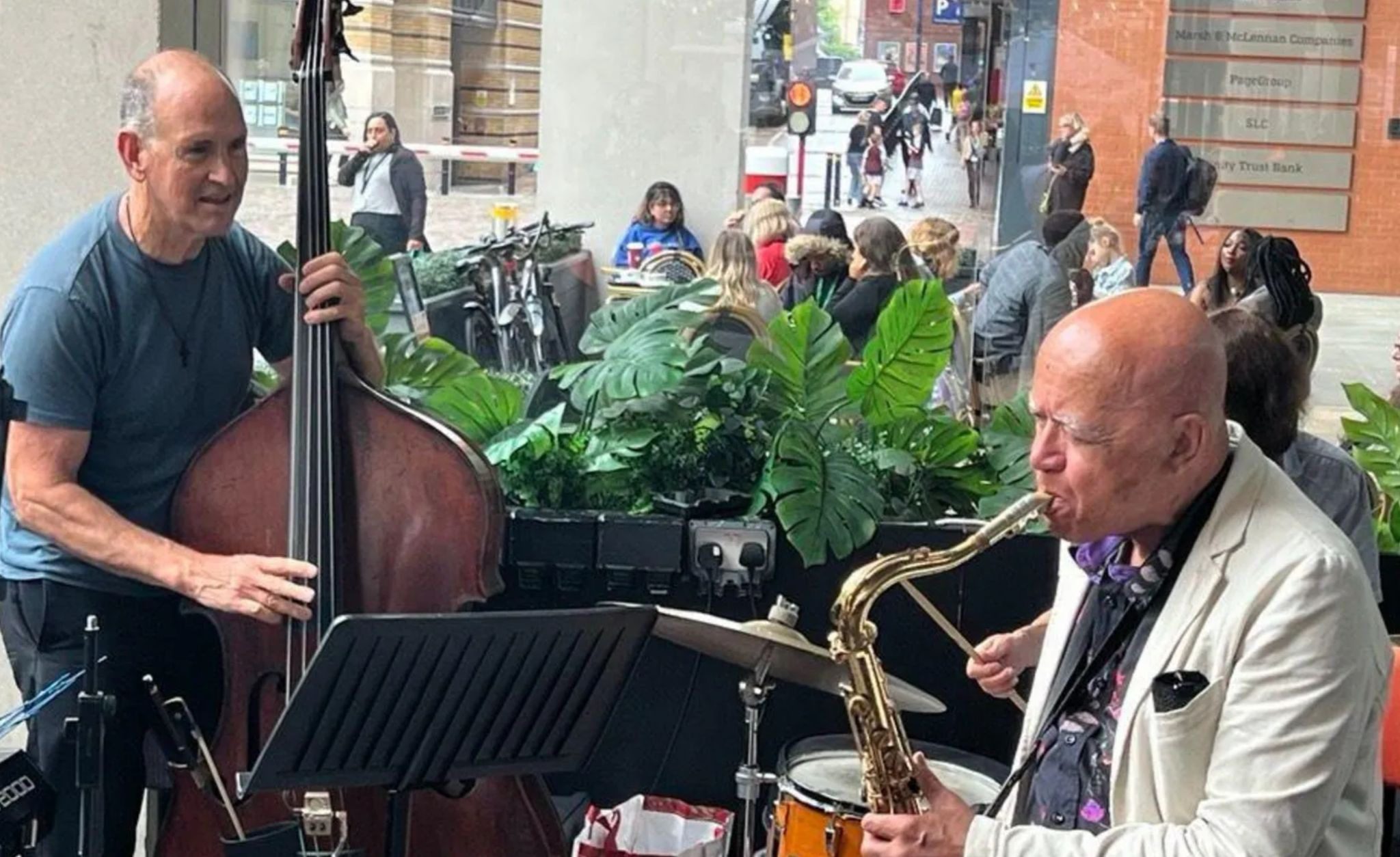
At one point, the organisers of the Birmingham International Jazz & Blues Festival made a move that, on paper, might have looked like a cost-saving measure but, in practice, turned out to be perhaps the strongest idea of the entire project. They abandoned the main stage as the centre of gravity and instead spread the festival throughout Birmingham. Not ‘one event for everyone,’ but dozens of small ones—for anyone who happened to be nearby.
And, most interestingly, it worked. Because instead of attracting one large audience, the festival quietly drew hundreds of smaller ones—in pubs, on the streets, in libraries, hotels, and even in places where people hadn’t planned on listening to music at all. As a result, far more people are seeing it: not just those who came ‘for the jazz,’ but also those who came on business, for the weekend, or just happened to be in town—from all corners of Britain and beyond.
The musicians here, incidentally, play a little differently too. Without the distance of a large stage and the crowd in front of it, they find themselves literally within arm’s reach. This changes everything: improvisation becomes riskier, the connection more direct, and the reaction more genuine. Some listen intently, some tap their glasses to the beat, and some simply walk past—and there’s no drama in that.
The way they draw you in here is equally free of unnecessary fanfare. No one shouts ‘come closer,’ builds up to a climax, or sells a ‘unique experience.’ They simply let you linger with the music a little longer than you’d planned. And often that turns out to be enough.
The result is astriking yet effective model: a festival that does not attempt to gather everyone in one place but rather spreads throughout thecityand seems to blendinto it. And it seems that it is precisely this lack of a central hub that is its main strength.
Атмосфера Birmingham International Jazz & Blues Festival
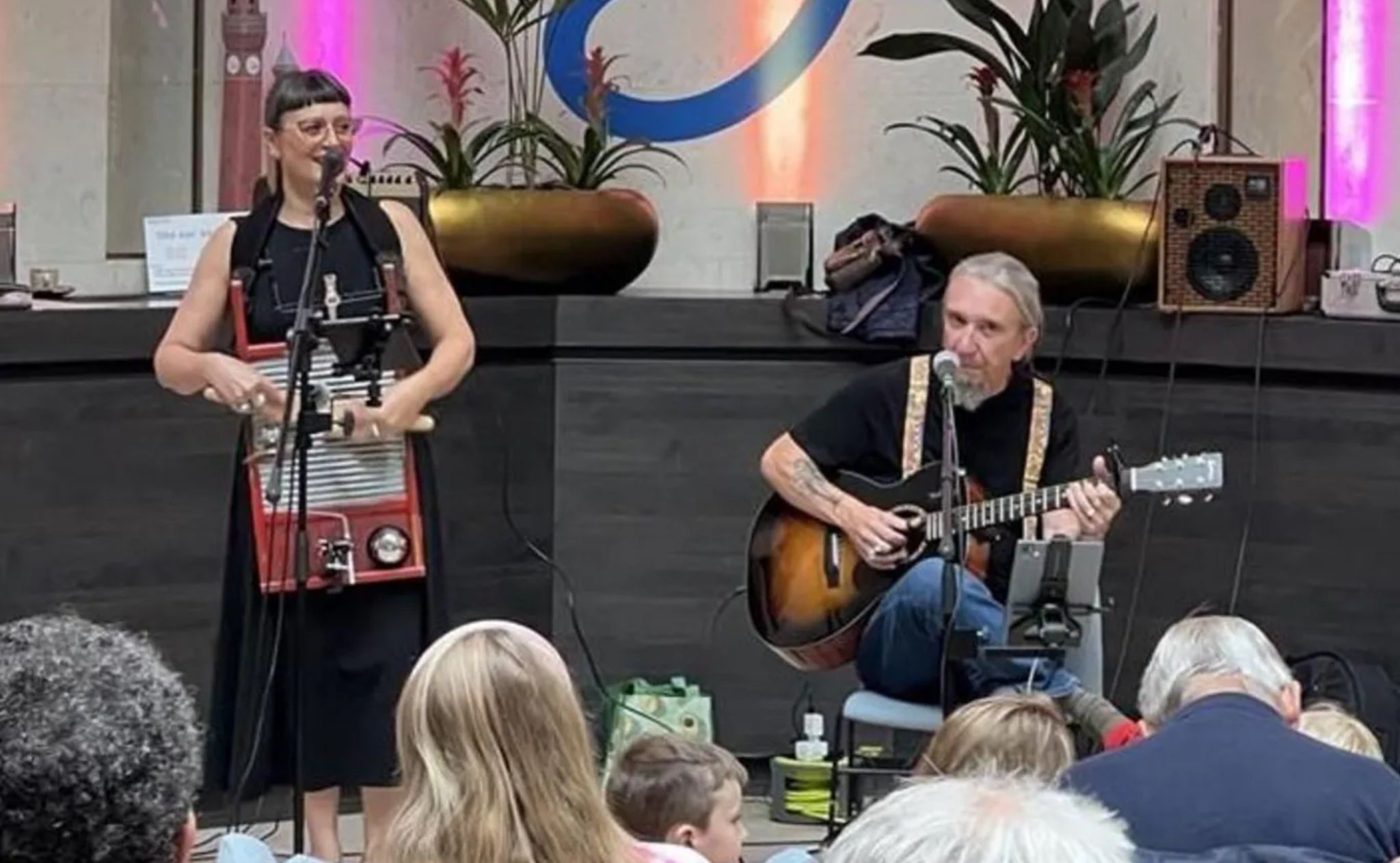
The atmosphere of the Birmingham International Jazz & Blues Festival is, in essence, the absence of any obvious atmosphere. There’s no entrance through which you ‘enter the festival,’ no moment when it all begins. At some point, you simply realise that the city sounds a little different.
It all happensas if by chance. You walk into The Jam House—and instead of background musicyou geta live set that has no intention of being ‘background’ at all. Or you find yourself at The Star & Garter, where the jazz sounds as though it’s always been there, even before all the festivals and posters. And at some point, you stop knowing whether the place adapts to the music or the music adapts to the place.
On the streets, things are even simpler: no one explains what’s going on. Some people stop, some walk past, some start filming on their phones, and some start dancing, without really understanding what exactly they’re dancing to. And it doesn’t look like an event but rather like a disruption in the city’s usual rhythm, which for some reason suits everyone.
It’s easy to lose track of time here. One set flows seamlessly into the next, the bars fill up and empty out, the musicians change, yet the feeling remains the same—as if you’re somewhere close to something alive, but not entirely under control. And perhaps that’s precisely why it works: because no one is trying to make this experience perfect.
Ultimately, the festival doesn’t create a separate reality—it slightly shifts the existing one. And if you don’t look too closely, you might think that this is just how things have always been in Birmingham.
Jim Simpson is someone who doesn’t like to do things the way everyone else does

When talking about the Birmingham International Jazz & Blues Festival, it would be strange to overlook a man who, it seems, never really liked to do things ‘like everyone else.’ I’m talking about Jim Simpson—a man who, long before the festival, was there at the very beginnings of Black Sabbath and helped ensure the band didn’t get lost in the history of rock music.
In Birmingham, he is known not just as a manager but as a man who stubbornly brought jazz and blues to places where they weren’t always expected. In the 1980s, when major music events were increasingly gravitating towards commercialism and rigid formats, Simpson opted for the opposite: accessibility, openness, and an almost complete absence of distance between the musicians and the city.
The idea for the festival did not stem from a desire to create ‘yet another event on the calendar,’ but rather from a steadfast belief that music should exist beyond stages and tickets. Simpson himself has often emphasised that jazz and blues were never elitist genres—they were born in bars, clubs, and on the streets. So they need to be returned to those very places, even if it looks less spectacular than a big stage with spotlights.
Today, the Birmingham International Jazz & Blues Festival remains one of those rare examples of an event that has not lost its character, even as it has gone global. It continues to blend seamlessly into the city’s rhythm, bringing together musicians and audiences from all corners of the world—without any fuss, but with the sense that everything is happening exactly where it should.
Sources:
- https://www.roughguides.com/england/best-birmingham-festival/
- https://www.birminghamjazzfestival.com/sponsors/
- https://visitbirmingham.com/event/the-birmingham-jazz-%26-blues-festival/132502101/
- https://www.business-live.co.uk/economic-development/birmingham-international-jazz–blues-4874525
- https://www.bbc.com/news/articles/c8xvxwx0p98o