

Birmingham has a real love for festivals, although lately this love has come to resemble a long-distance relationship. Some of the city’s iconic festivals are gradually disappearing from the map—partly due to ‘budget cuts’ and partly for more mundane reasons. Others, however, continue to set the standard and demonstrate that the festival industry here is still alive. Among them are the Birmingham International Dance Festival and the Jazz & Blues Festival, whilst the Birmingham Mela behaves as if it will outlast all administrative reforms combined.
You might think that, against the backdrop of such changes, the festival’s pace might slow down a little. But Birmingham has one distinctive trait: if one door closes, it finds another—sometimes even in a basement—and organizes a new event there.
So, alongside the official events and festivals that rely on momentum and tradition, there is another scene here—one that is less predictable and far more interesting. These are events that don’t try to be convenient or ‘tourist-friendly.’ It is precisely these that people talk about the most afterward, often with a mixture of excitement and mild shock. You can read about one such festival—a little strange but very lively—here: birminghamski.com.
Supersonic Festival: how it all began
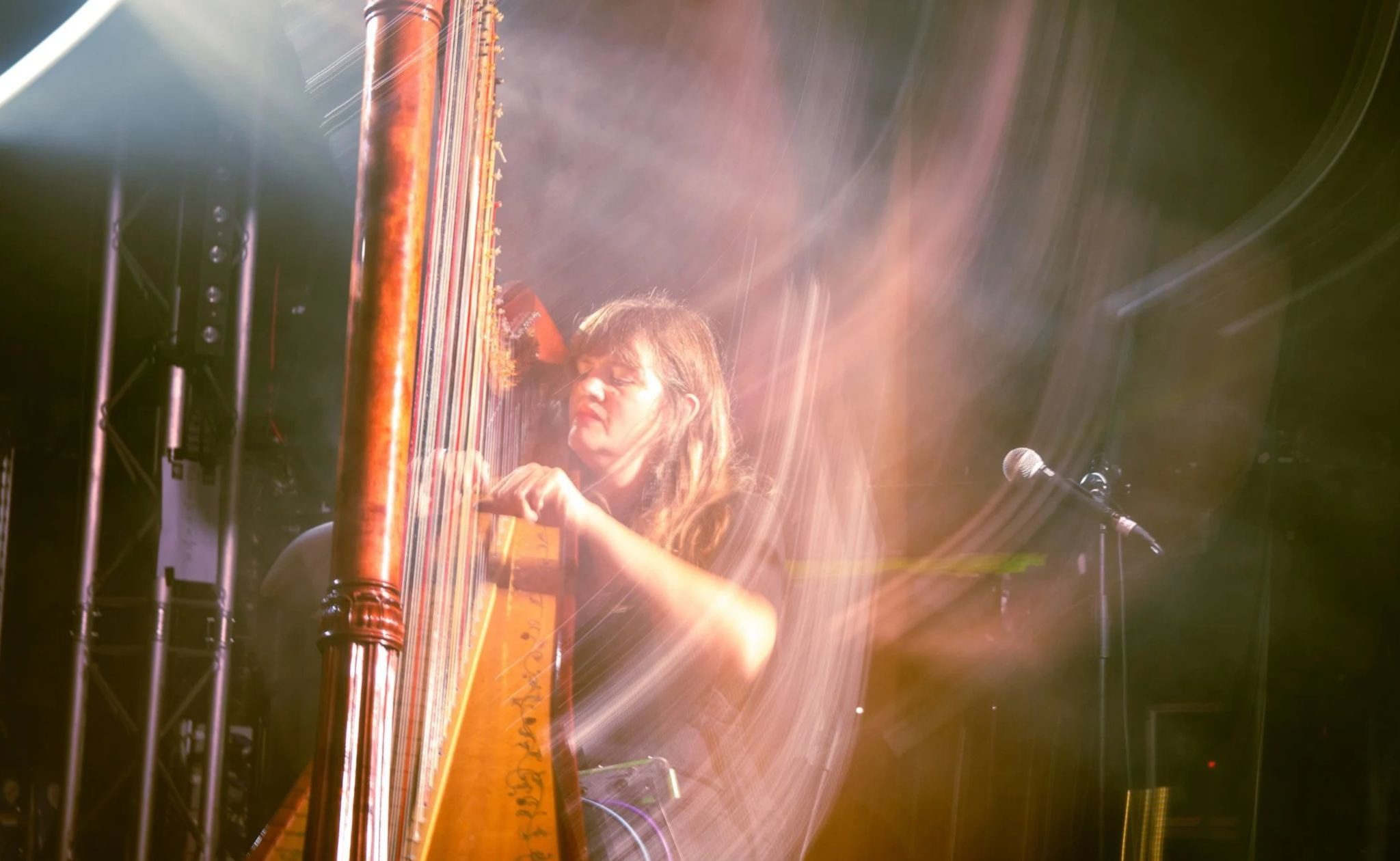
The story of the Supersonic Festival began quite simply—with an interest in experimental music and a desire to give it the space it had always lacked.
The idea for the festival came from the team behind the Birmingham-based arts organisation Capsule, founded by Lisa Meyer and Jenny Moore—a small but determined cultural initiative that grew out of organising small parties and exhibitions in Birmingham. The festival itself was launched in 2003. Without huge budgets, without ambitions to ‘create a new Glastonbury Festival’ and certainly without any plans to please everyone at once.
On the contrary—right from the start, Supersonic positioned itself as an event for those who had grown a little tired of the usual festival format. Here, they’ve brought together what is usually scattered across underground clubs, small stages, and niche music communities. We’re talking about noise, avant-garde, experimental electronica, post-metal, and so on.
Despite its ‘unconventionality’ for the general public, the festival began to attract artists and audiences from various countries. It quickly gained cult status within the European underground scene. This was not due to its scale but to its recognisable uncompromising nature and desire to do things its own way.
This wasn’t a case of someone in an office deciding, ‘Let’s have another festival.’ Quite the opposite, in fact—there was music that simply had nowhere else to go. It didn’t fit into the usual formats, didn’t strive to be convenient, and generally behaved as if it didn’t care about the rules. At some point it became clear: either it would once again be scattered across basements and small stages, or we would have to invent a separate space for it.
And that’s how Supersonic came about—as a solution to a problem that no one had really planned to solve.
Britain’s best small festival
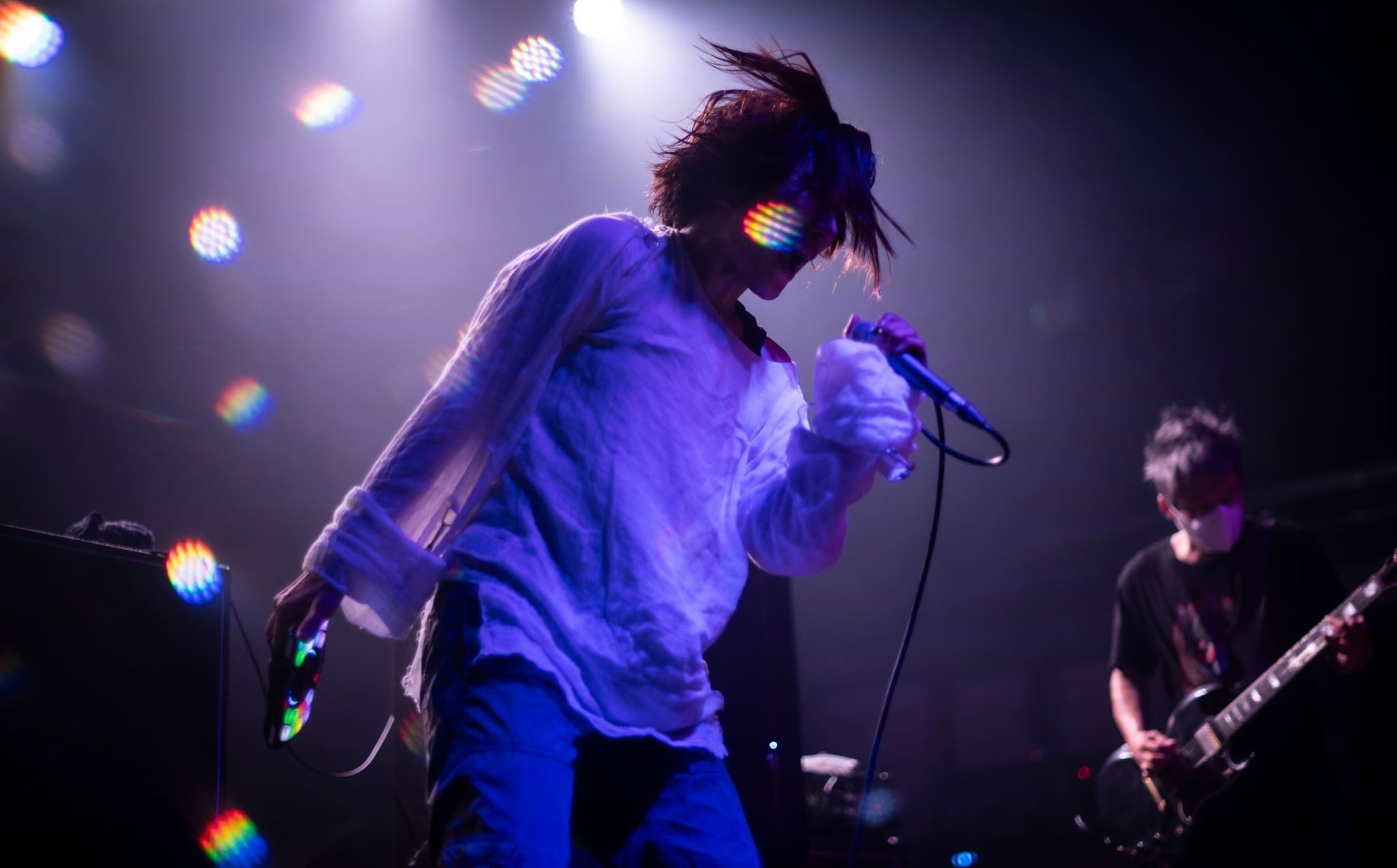
Lisa Meyer and Jenny Moore didn’t have their own permanent venue, but they did have a clear vision of their goal—to create an event ‘by artists, for artists.’ The festival quickly grew beyond the local scene. Within just a few years, it was repeatedly named one of Britain’s best small festivals by leading music publications, attracting artists and audiences from across Europe and the US.
It is also important to note that Supersonic has never been merely a series of concerts. It is a multidisciplinary event where music, performance, and visual art exist inseparably, blurring the line between the stage and experimentation.
Birmingham as a stage: the festival’s industrial DNA
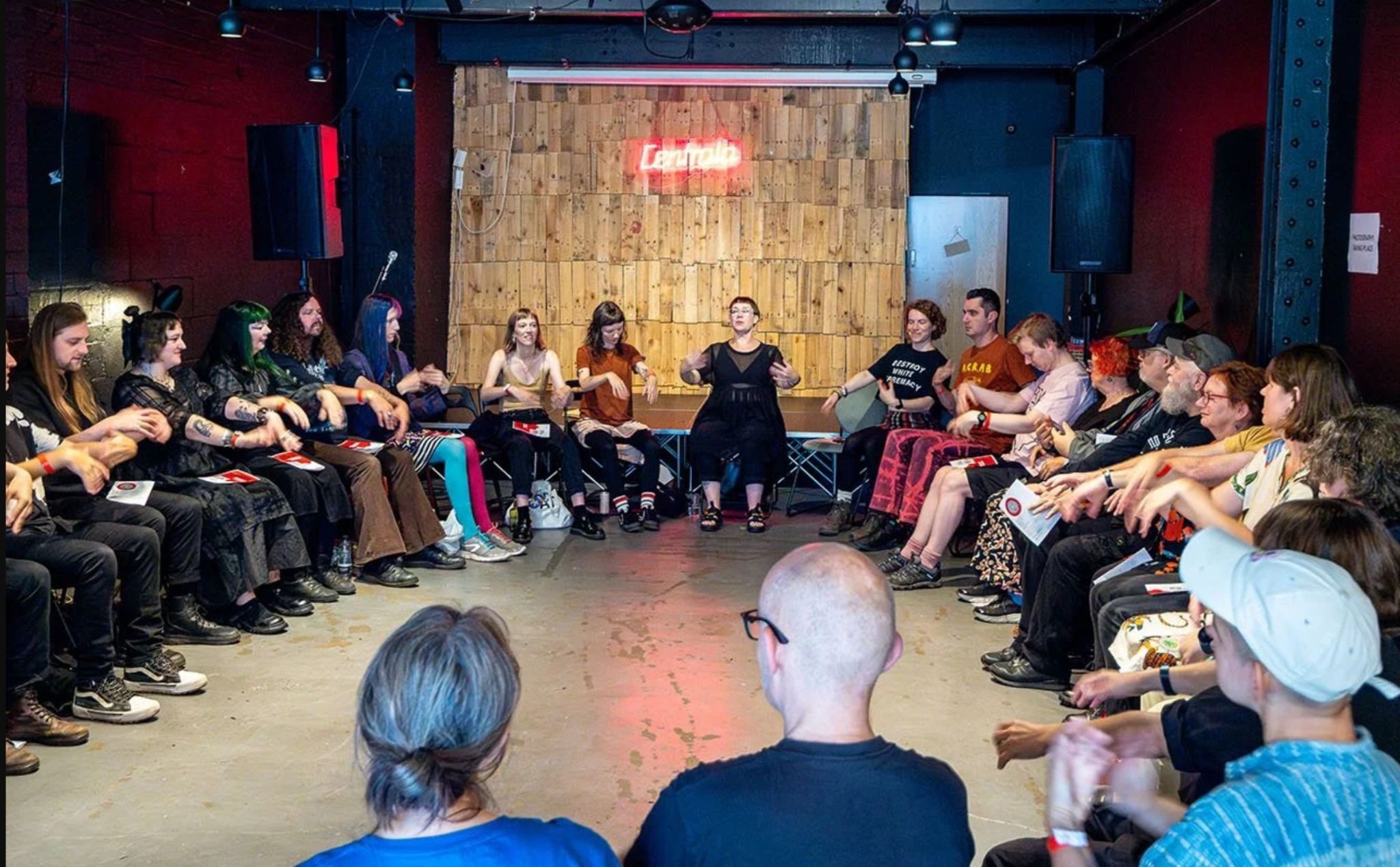
One of the things that sets Supersonic apart is its relationship with its surroundings. The festival has always been drawn to places with character, and the heart of this aesthetic has become the Digbeth district—Birmingham’s industrial heartland.
Former industrial warehouses, railway arches and Victorian-era workshops became the festival’s natural backdrops. However, this was not an attempt to stage a ‘wild rave in the ruins.’ The organisers transformed the austere concrete spaces into high-tech venues. Despite the visual ‘grossness’ of the venues, particular attention was paid to the sound: the festival became famous precisely for its ability to tame the acoustics of complex industrial halls, ensuring a clear and powerful sound, even for the most challenging genres.
Often, the venues themselves dictated the format of the performances. In some places, the sound echoed off the high walls; in others, the vibration of trains overhead (in the railway arches) became part of the performance. The programme was often adapted to the specifics of the venue—from intimate performances in dark alleyways to large-scale shows at the Custard Factory or grand organ sets at the Town Hall.
Who’s taking to the Supersonic stage and why it’s so memorable
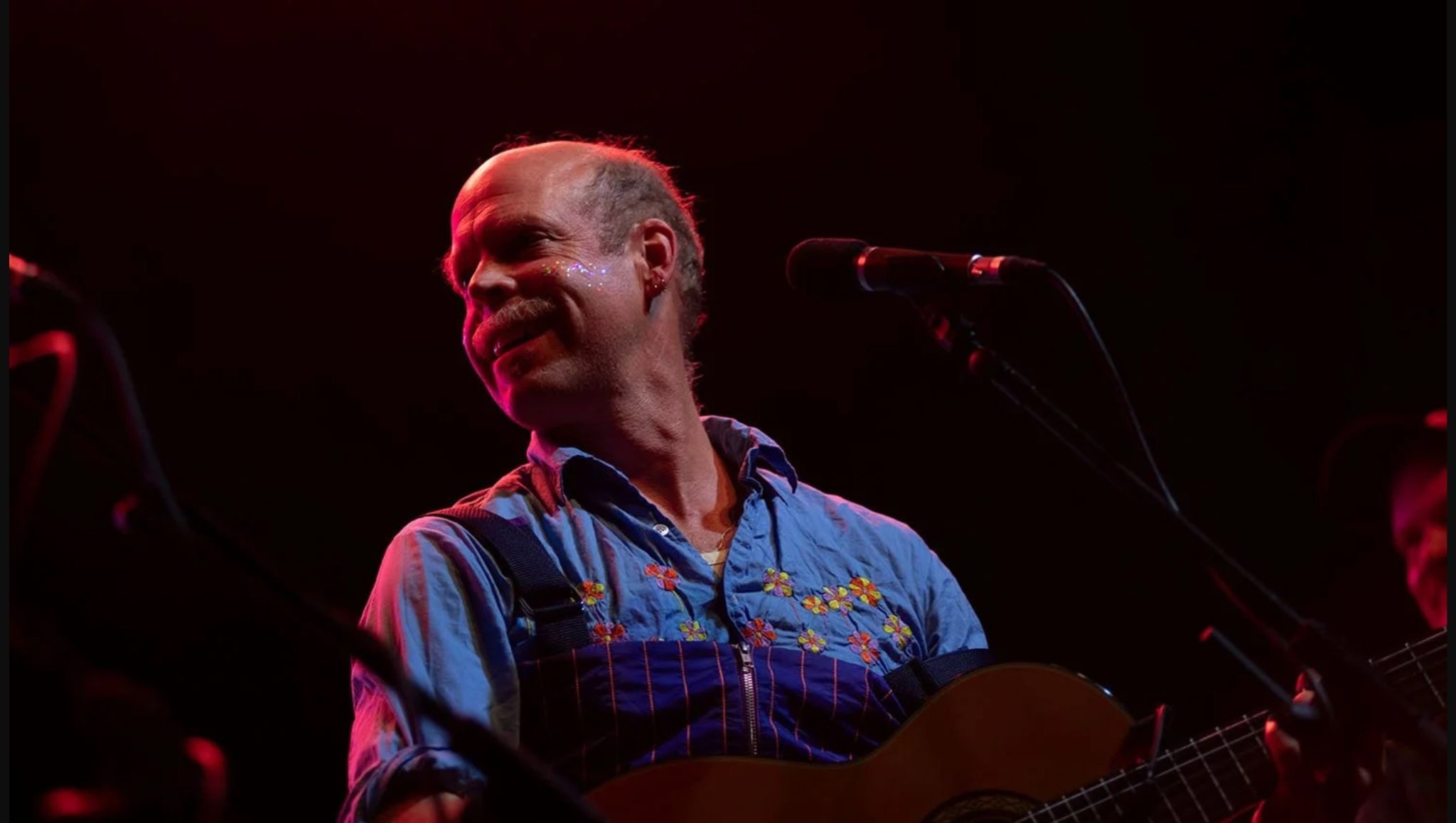
Supersonic has never gone after chart-topping artists or stadium ‘stars.’ Its headliners are usually underground legends whom your neighbours have never heard of but for whom people are willing to fly across the ocean.
The lineup here features a mix of Japanese noise, Scandinavian free jazz, Brooklyn experimental metal and British folk-rock. On the same stage, established sound artists sit comfortably alongside DIY punks who cobble together instruments from scrap and chaos.
A particular highlight of the festival is its defiance of the ‘gender norms’ of the heavy metal scene. Whilst other metal festivals have been debating quotas for years, the organisers at Capsule simply put on an inclusive event where there are sometimes more women and non-binary artists in the line-up than bearded men in black T-shirts.
The audience here are not casual passers-by, but pilgrims. Yes, that’s exactly how you could describe people who travel from London, Manchester or Berlin not just to listen to music but to ‘feel the sound in their guts,’ deriving pure delight from it. For these people, there is nothing surprising about this, as some performances, such as the legendary sets by Sunn O))) or Godflesh, are remembered not for their melodies, but for the physical pressure of the sound waves, which literally push you into the concrete.
This isn’t just an ‘experiment for the sake of it.’ It’s a big, lively and sometimes strange conversation about how music isn’t always about comfort. At Supersonic, ‘interesting’ always trumps ‘comfortable,’ and the market selling vinyl and zines in the corner serves as a reminder that half the people in the hall are musicians, artists or publishers themselves.
Europe’s swift response and what happens next
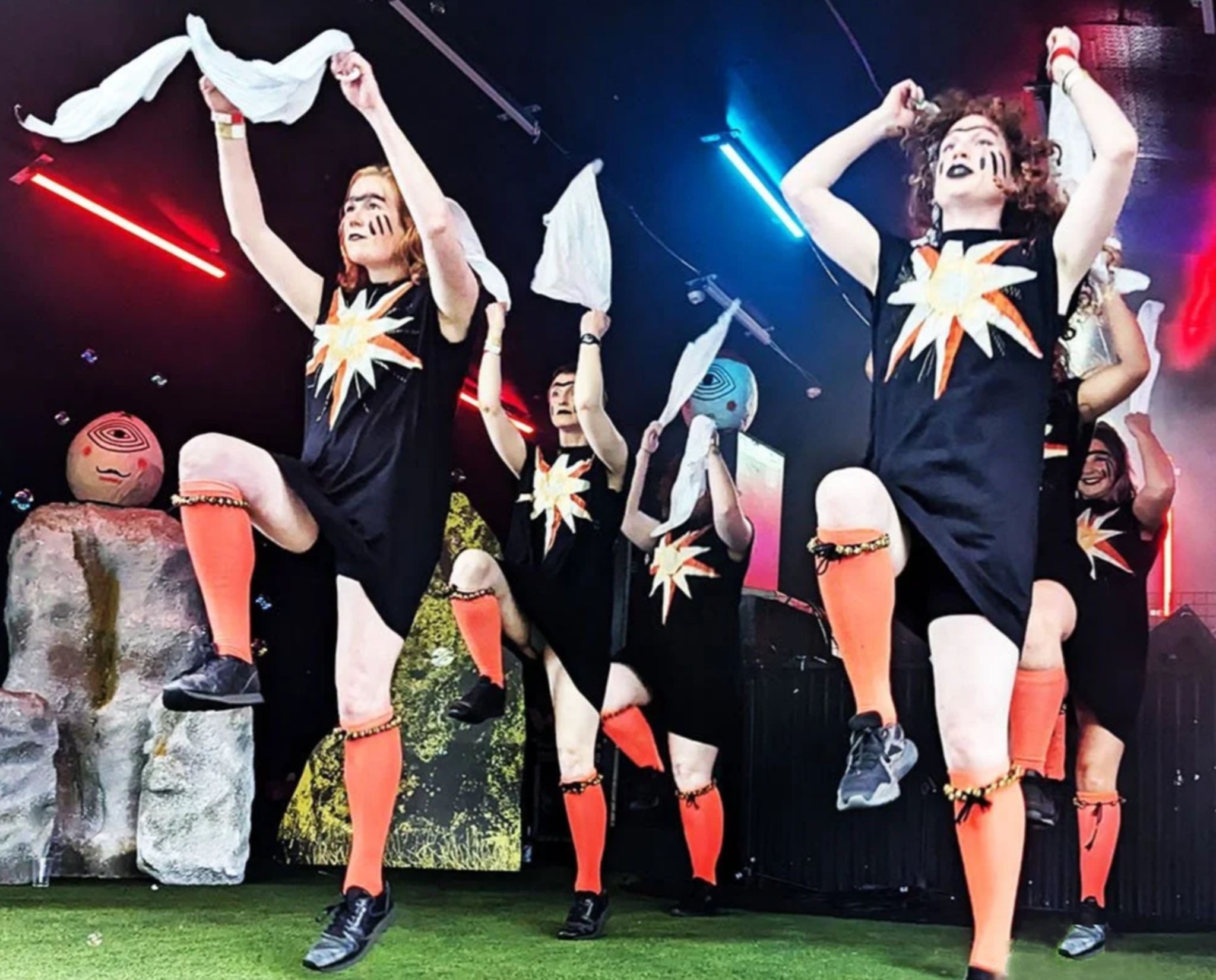
Despite its ‘unconventional’ nature, Supersonic quickly spread beyond Birmingham and became a prominent fixture on the European cultural scene. The reason is simple: it offered something that was missing even from Europe’s extensive festival scene—an honest space for experimentation without any attempts to ‘water it down’ for a mass audience. It was precisely this principled rejection of a commercial format that made it recognisable and attractive to artists and audiences from different countries.
Over time, the festival has become a meeting point for underground scenes from across the continent, where it is not scale that matters, but the quality of the experience and the sense of a shared cultural ‘laboratory’.
As for the future, Supersonic continues to adhere to its development philosophy: not to expand at any cost, but to maintain a format that allows experimentation to remain experimentation. The organisers continue to focus on new forms of performance, interdisciplinary collaborations and an even deeper integration of music with visual art and space. And it seems that it is precisely this steadfastness in its own format that is the main guarantee that the festival will not lose its impact.
Sources:
- https://www.bbc.co.uk/birmingham/content/articles/2006/07/05/supersonic_festival1_2006_feature.shtml
- https://echoesanddust.com/2024/08/lisa-meyer-supersonic-festival/
- https://supersonicfestival.com/tag/history/
- https://www.theguardian.com/music/article/2024/sep/02/supersonic-festival-review-an-awesome-windmill-of-noise-and-connection
- https://www.inspitemagazine.com/in-spite-articles/supersonic24-day3