

The establishment of any Jewish community usually begins with a synagogue, and the example of Singers Hill Synagogue is a clear illustration of this. People gather around the synagogue; it leads to the establishment of Jewish schools, the emergence of Jewish culture, Jewish cemeteries, charitable societies and the whole complex social structure without which no community can survive for long. On birminghamski.com you can read a story centred on one of the city’s largest and oldest synagogues—Singers Hill Synagogue.
Mid-19th-century Birmingham was the perfect setting for such a story. The city was growing rich at an almost indecent pace, sprouting factories and workshops, and attracting craftsmen, traders and entrepreneurs from all over Europe. The Jewish community was also expanding, and at a certain point the small prayer rooms ceased to meet people’s ambitions.
Capital and Ambition: The Beginnings of Jewish Birmingham
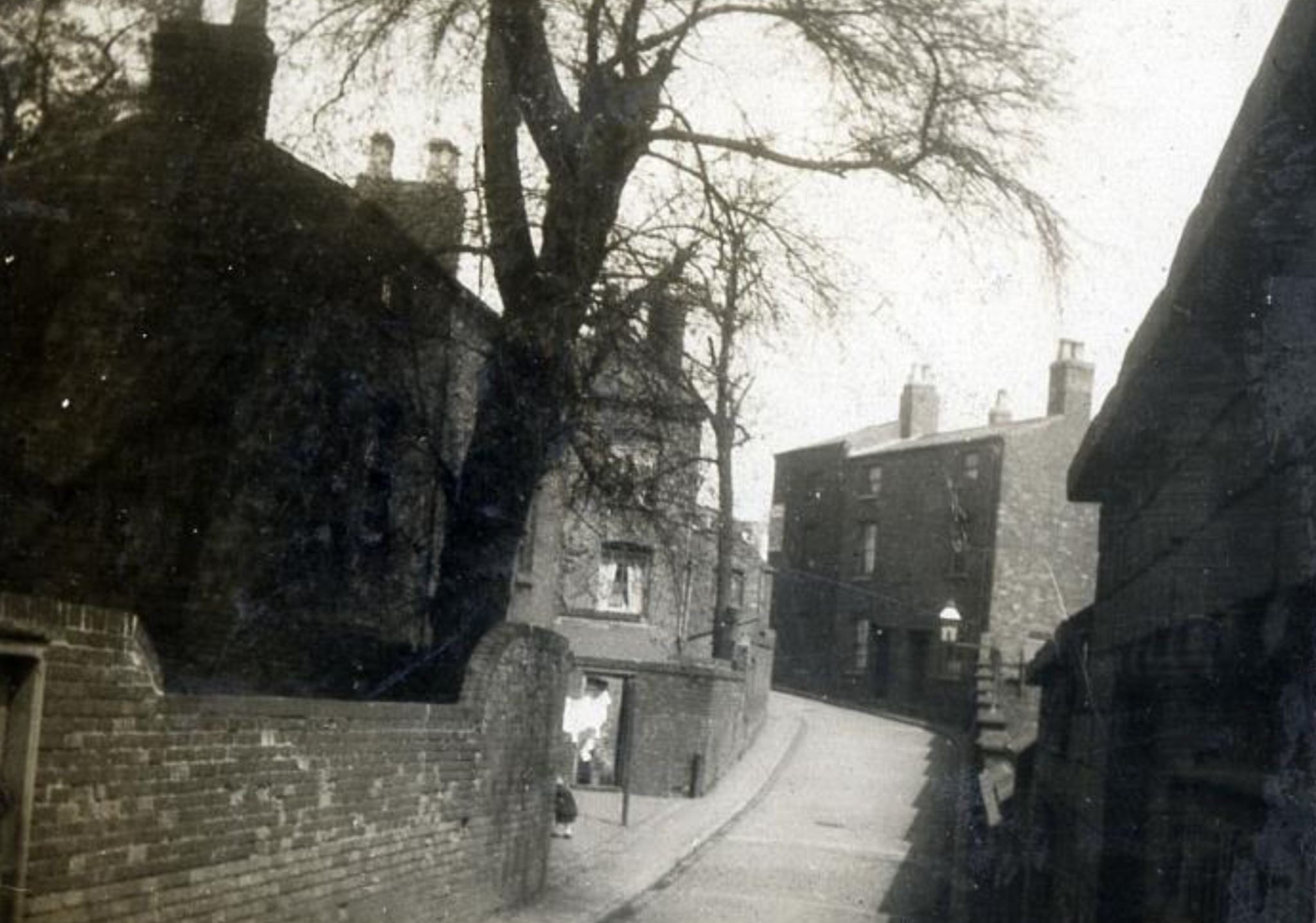
The emergence of Singers Hill Synagogue was no accident, and it was certainly not a romantic tale of a ‘spiritual awakening’ in the heart of industrial Birmingham. The Industrial Revolution was transforming the region into one of Britain’s major manufacturing centres.
Along with metal, jewellery and countless workshops, Jewish families began arriving here—all of this took place as far back as the 18th century. The first members of the community were few in number. Historians believe that in the early stages there were literally just a few dozen families; no large diaspora existed at that time.
They were mainly merchants, jewellers and small-scale craftsmen, seeking to establish themselves where capital moved more swiftly than anywhere else in the English provinces. Birmingham at that time had a curious feature: it was less aristocratic than London, less conservative than the old English cities, and considerably more open to those willing to work.
In those days, prayers were held in rented rooms or private homes. For the first generations of local Jews, even this arrangement meant a great deal: they ceased to be merely a collection of individual families and began to feel like a cohesive community.
In the 19th century, new waves of migrants from Central and Eastern Europe flooded into Britain. The small prayer rooms were no longer adequate to accommodate the growing numbers of people, nor did they meet their aspirations.
The community came to an obvious conclusion: if it wanted to exist seriously and for the long term, it needed a proper, large synagogue. Thus, in the mid-19th century, the idea arose to build the Singers Hill Synagogue—a building that was to become not merely a place of worship, but the very heart of Jewish life in Birmingham.
A large community—a large synagogue
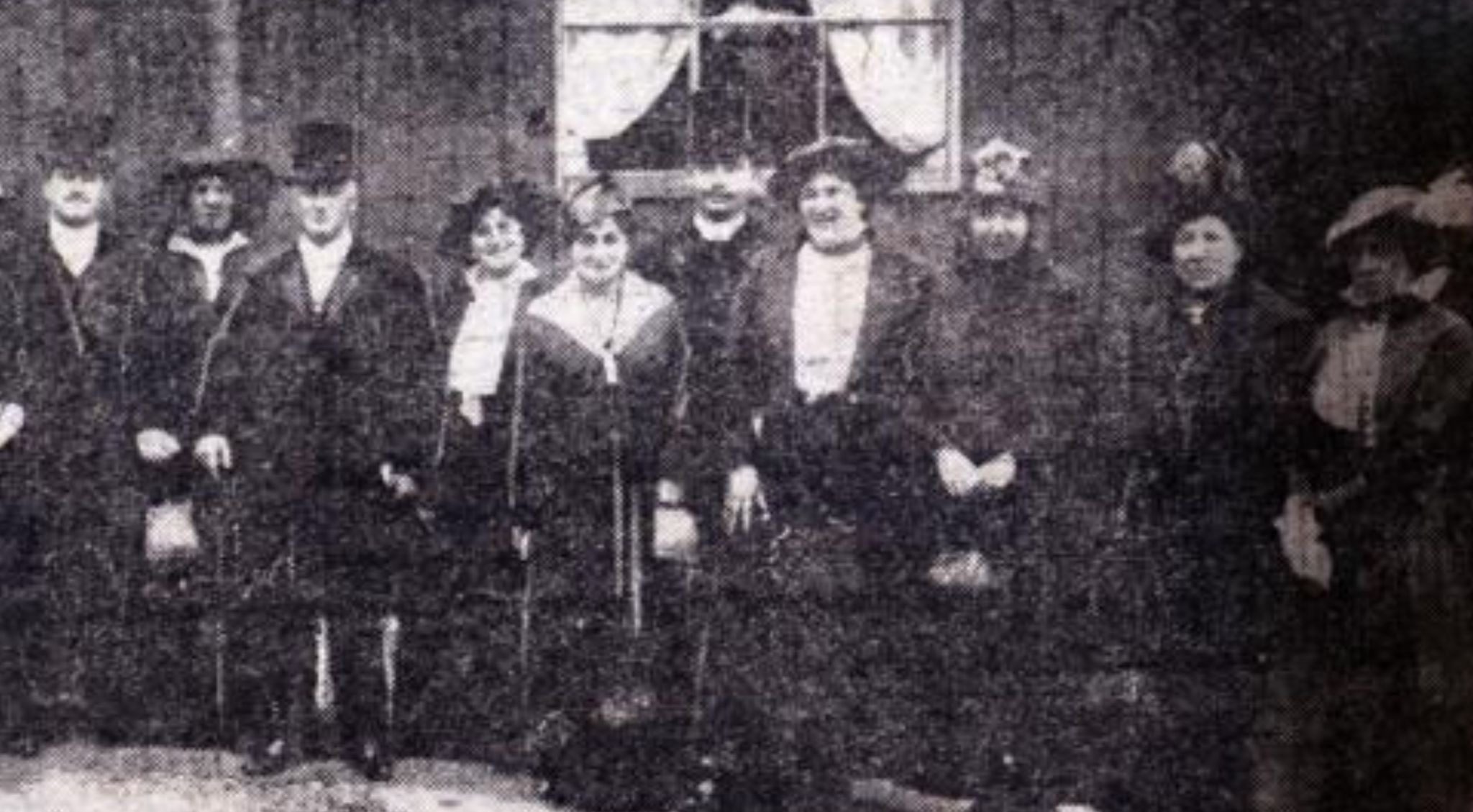
The idea of building Singers Hill Synagogue developed gradually. By the mid-19th century, Birmingham’s Jewish community was no longer a small group of merchants who gathered from time to time to pray in rented rooms. The community was growing wealthier, becoming more numerous and increasingly visible in city life. And with this came the desire, characteristic of Victorian Britain, to embody their status in stone, brick and facades.
The decision to build a new large synagogue was taken by the community itself through its religious and financial leaders. The wealthiest members of the community—merchants, jewellers and entrepreneurs who already held a stable position in the city’s economy—played a key role. It was they who became the main donors to the construction. And here the story is very typical of 19th-century Jewish communities: whilst the poorer members of the community made small donations, the wealthy families effectively financed the creation of the future centre of Jewish life in Birmingham.
The money was raised through donations, special contributions and internal community campaigns. Moreover, it was not just about religion. For many participants, it was also a symbol of the Jewish community’s definitive establishment in Birmingham.
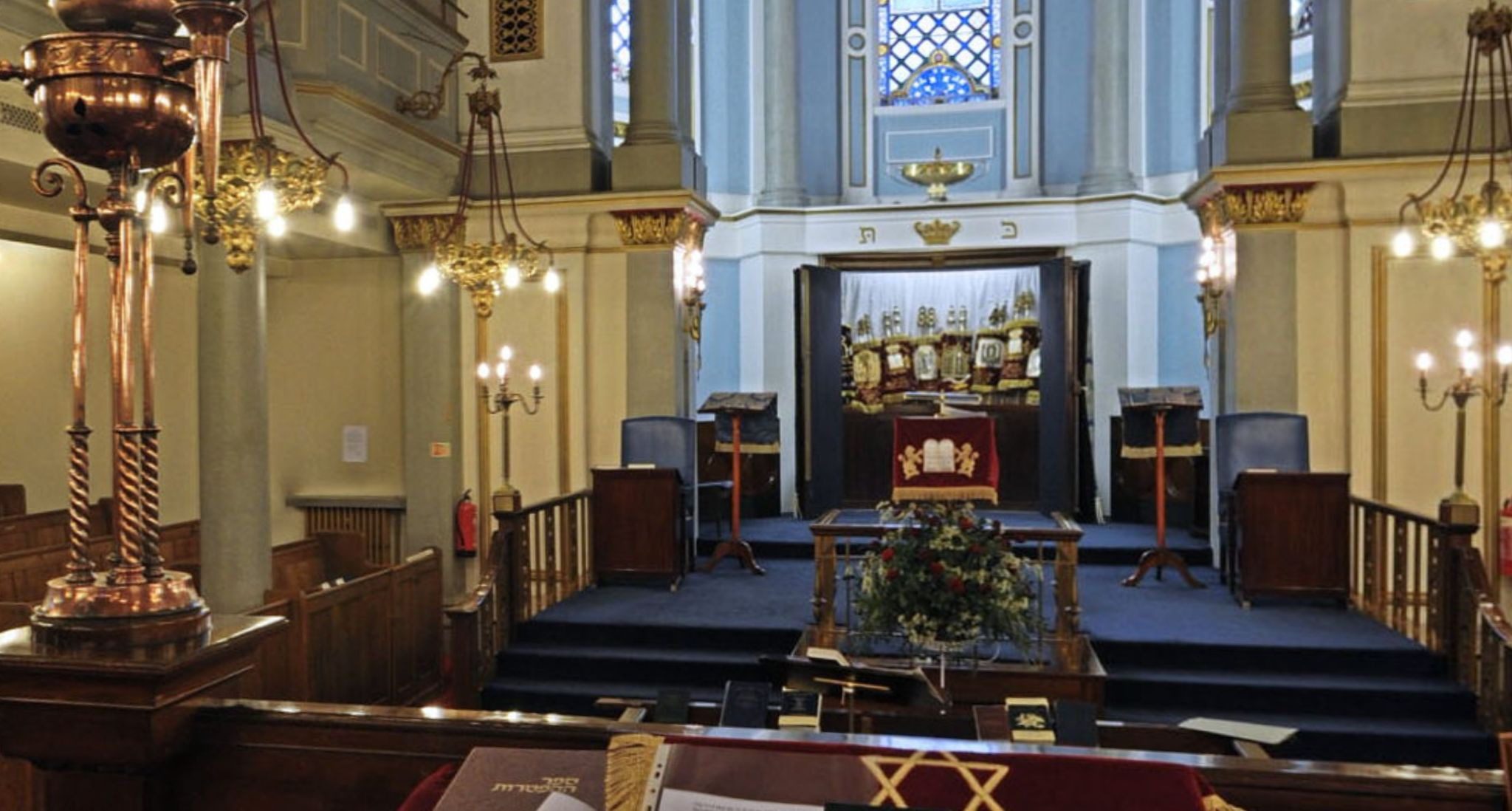
The building was designed by the architect Jovill Tomason—a figure who is almost legendary in Birmingham. It was he who would later design several important city buildings and effectively become one of the architects responsible for the city’s Victorian character. For the synagogue, Thomason chose the Moorish style, which was extremely popular in the 19th century among Jewish communities in Europe.
Construction took relatively little time. The synagogue was opened in 1856, and for Birmingham at that time, it was truly a major event. The building was intended to symbolise stability, respect for tradition and, at the same time, the community’s confidence in its own future. In essence, Singers Hill Synagogue became an architectural statement that Birmingham’s Jewish community had finally become an integral part of city life.
A story carved in stone: how Singers Hill Synagogue was built
The construction of Singers Hill Synagogue for Birmingham’s Jewish community was not merely a religious project, but a genuine financial and organisational challenge. The problem was that, despite its growth, the community was still not very large. Unlike London or Manchester, there were no dozens of wealthy Jewish dynasties here, capable of funding such a large-scale construction project on their own.
Moreover, the mid-19th century was, in general, an era when British cities were literally competing with one another through their façades, towers, banks, town halls and churches. Birmingham was no exception in this regard. The city was rapidly growing wealthy, industrialists were investing in architecture, and the city’s built environment itself increasingly resembled a grand exhibition of Victorian ambition. The Jewish community did not wish to remain on the sidelines of this process.
The site for the future synagogue was chosen not far from the city center—in an area that was rapidly being developed at the time and was gradually becoming an important part of Birmingham’s business district. Construction proceeded relatively quickly, though it was financially draining. Some of the work was carried out by local contractors who already had experience working on large urban structures.
There are reports that some members of the community helped not only financially but also by organising the work: they procured materials, negotiated with tradespeople and kept track of expenses. For a small community, this was almost a collective project of survival. People understood perfectly well that they were building not just another house of prayer, but a symbol of their own presence in a city which, just a few decades earlier, had viewed Jewish traders more as temporary visitors.
A space of memory and tradition
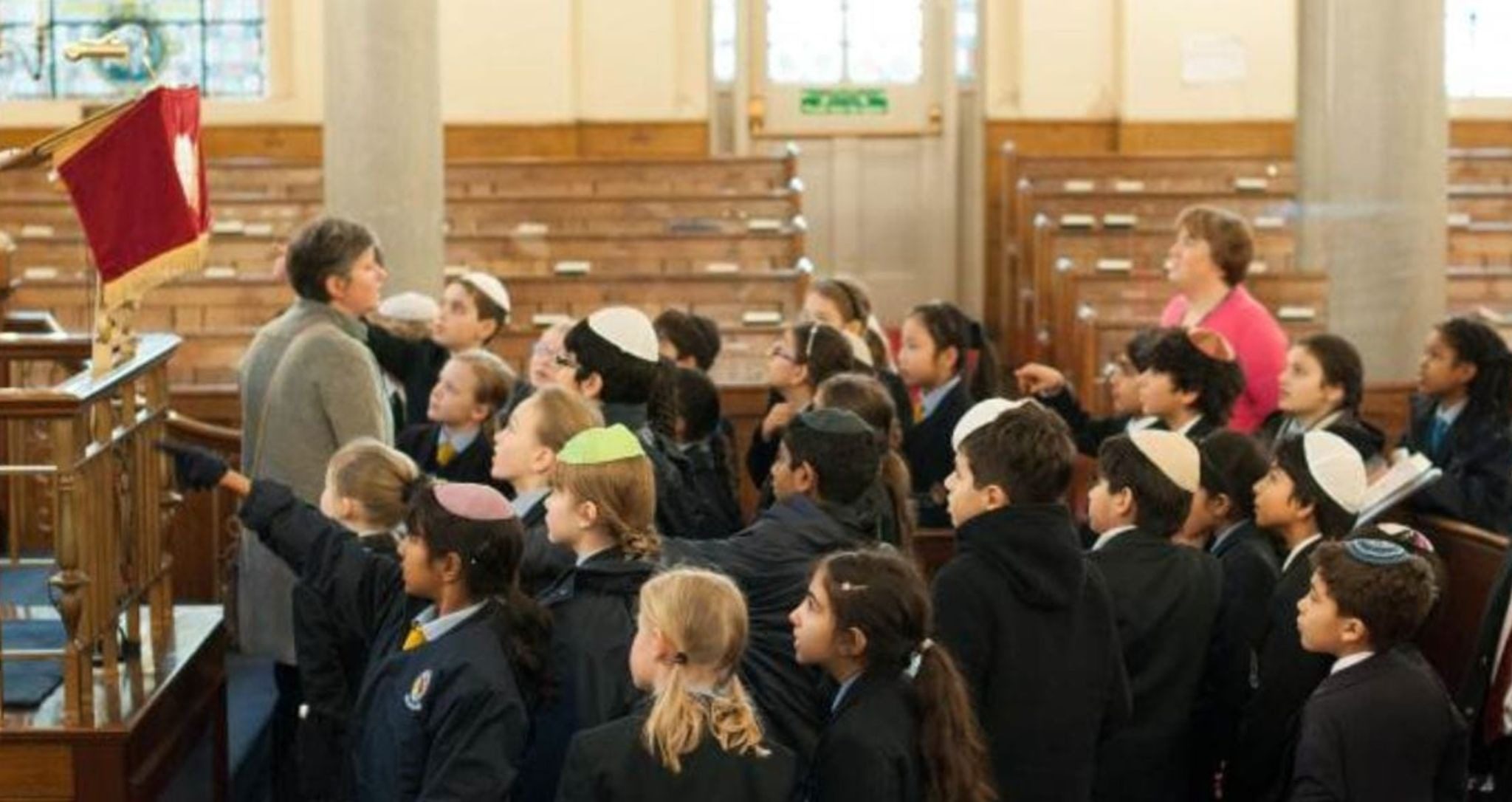
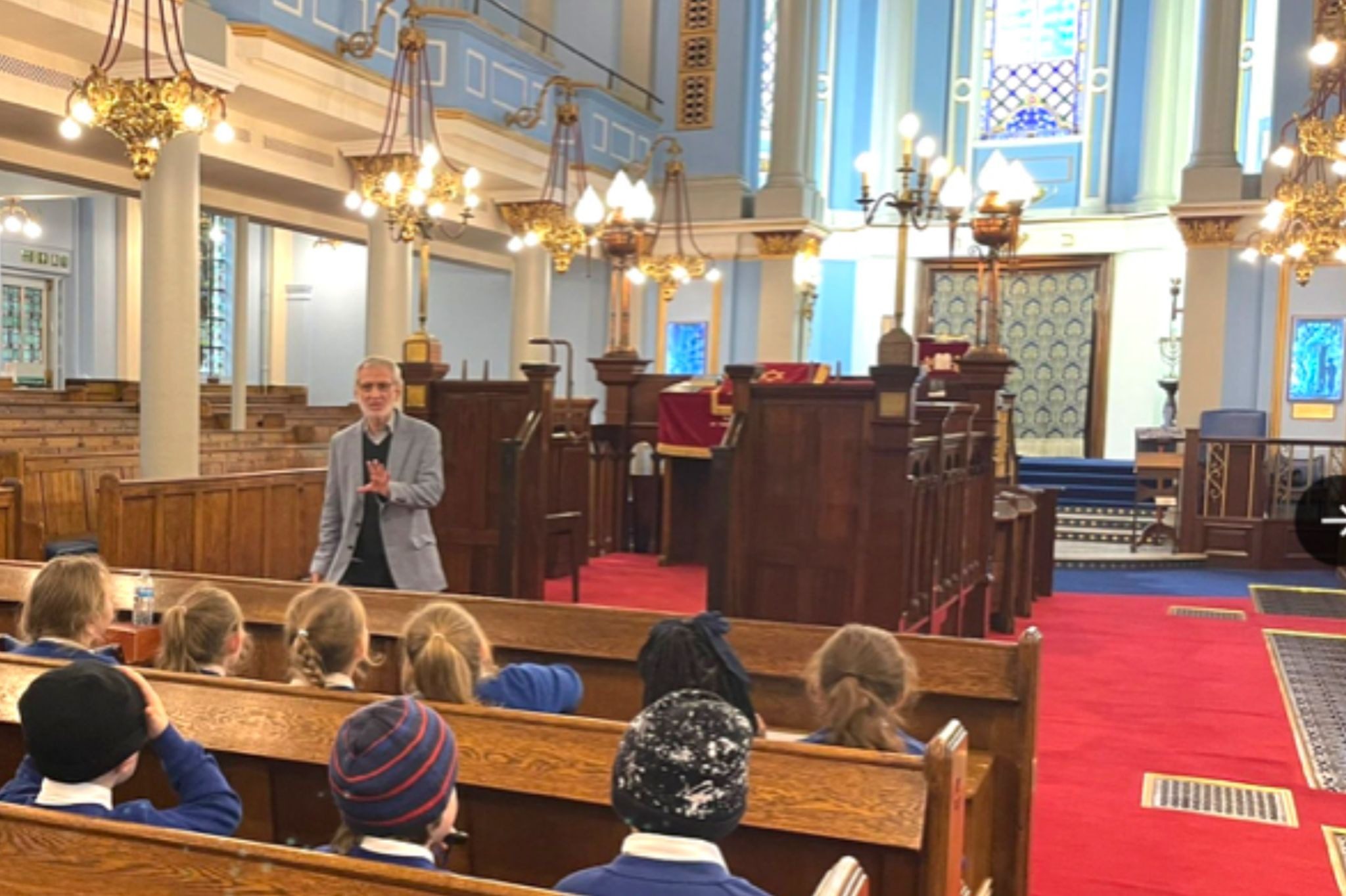
The cost of the project exceeded 10,000 pounds—a sum that was more than substantial for the mid-19th century. The community continued to pay off the construction debts for a long time. The synagogue immediately became not merely a place of worship but the centre of organised Jewish life in Birmingham. It took charge of the community’s educational initiatives, in particular the Jewish school.
Today, Singers Hill Synagogue remains one of Birmingham’s oldest functioning synagogues. And although the size of the congregation is no longer comparable to its Victorian peak, the building itself continues to fulfil its original role—as a space of memory, tradition, and continuity that has survived the industrial boom, wars, and changes to the urban landscape.
And perhaps this is the main irony of the story: the fact that what began as a practical solution for a small group of migrants in an industrial town eventually became one of the most enduring symbols of their presence.
Sources:
- https://synagogues-360.anumuseum.org.il/gallery/singers-hill-synagogue/
- https://www.jewishgen.org/jcr-uk/community/b00-bhc/index.htm
- https://www.patrickcomerford.com/2023/08/singers-hill-synagogue-birmingham-is.html
- https://www.birminghamsynagogue.com/
- https://www.search.birminghamimages.org.uk/details.aspx?ResourceID=7702&ExhibitionID=7702&SearchType=2&ThemeID=909