

If anyone had told a young Julie Walters that one day she would stand on the red carpet alongside Michael Caine, Meryl Streep, or Daniel Radcliffe, she probably would have just laughed. After finishing school, the future Golden Globe winner, multiple BAFTA laureate, and two-time Oscar nominee was in no rush to conquer theatres or film studios—instead, she worked as an ordinary nurse in a Birmingham hospital.
It seemed her life would turn out to be completely ordinary, far from Hollywood, major premieres, and global fame. But fate, as it often does, had its own script in mind. What makes it particularly interesting is that the story of one of the most famous modern British actresses began right here in Birmingham, where she was born, went to school, and took her first steps into adulthood. Read more about Julie Walters’ life journey at birminghamski.com.
Julie Walters: A Birmingham Childhood
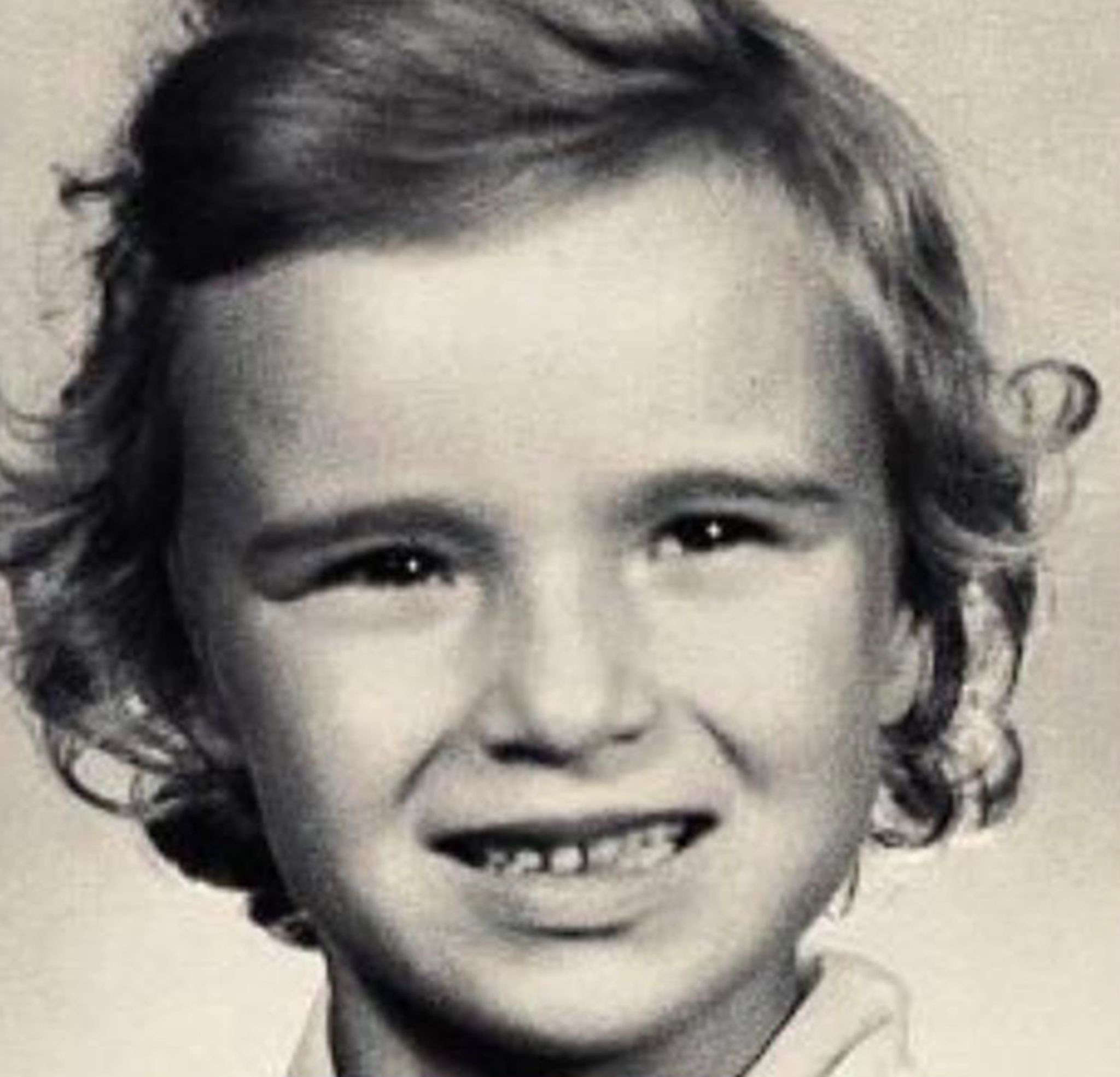
Julie Walters’ story did not begin under the spotlight, but rather among ordinary Birmingham streets. She was born on February 22, 1950, at a hospital in the Edgbaston area, and spent her childhood in neighboring Smethwick—a typical working-class suburb where life revolved around factory shifts, bus routes, and neighbors. The future actress’s father, Thomas Walters, worked as a builder and decorator, while her mother, Mary Bridget (of Irish descent), was a post office clerk.
The family lived modestly and raised their children in strict Catholic traditions. Her mother was a domineering woman with a pragmatic outlook on her daughter’s future: she categorically did not believe in acting, viewing it as an unreliable pursuit, and dreamed of seeing Julie only in the “stable and respectable” profession of nursing.
Julie’s school years did not exactly fit the narrative of an “ideal student”—they were filled with genuine teenage rebellion. She received her primary education at St. Philip’s Catholic School and later entered the prestigious Holly Lodge Grammar School for girls. However, studying under strict supervision only provoked resistance from Julie.
Instead of attending classes, she opted for skipping school, hanging out with friends, and going to local cinemas. Her rebellious behavior and constant disciplinary issues led to a predictable outcome: at the headmistress’s request, Walters was asked to leave the grammar school. Academics were a struggle for her, and she later admitted that she never had an academic mind.
Nevertheless, Birmingham taught her the most important lesson—how to observe people closely. Factory workers, shopkeepers, nurses, bus drivers, noisy neighbors, and local pub regulars became the living “acting school” not found in any textbook. Perhaps that is why, many years later, Julie Walters would portray ordinary British people so convincingly—without pretense, melodrama, or unnecessary theatricality.
She did not invent her characters; instead, she seemed to simply recall the people among whom her turbulent Birmingham childhood was spent. Back then, hardly anyone could have predicted that a rebellious girl from a working-class suburb would one day become one of the UK’s most beloved actresses.
Future Nurse Julie Walters of Birmingham
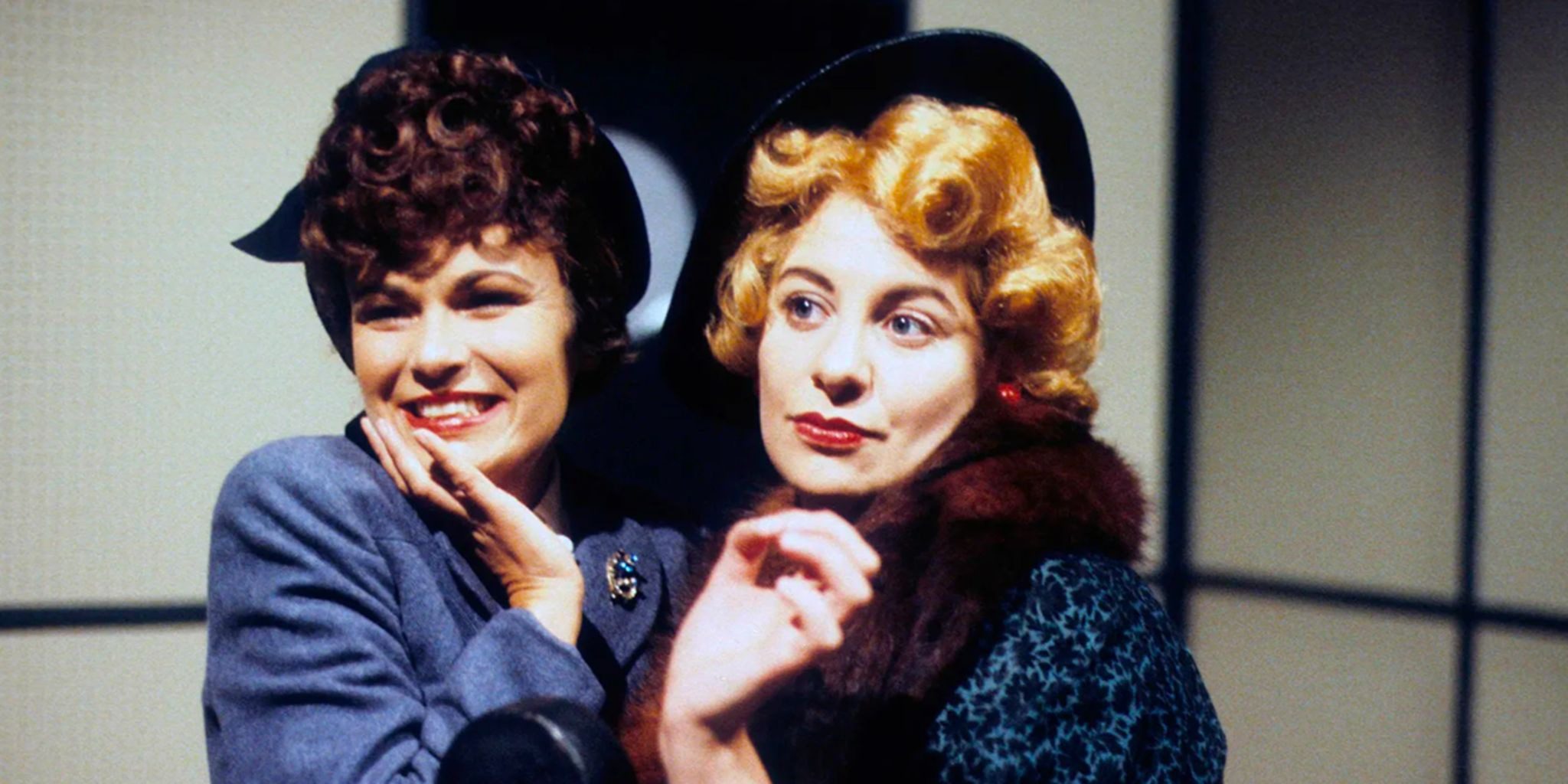
After leaving school and a brief stint working in an insurance office, 18-year-old Julie Walters was in no hurry to apply to drama school. On the contrary, to appease her mother, she chose a profession her family considered serious, reliable, and sure to put food on the table. The future movie star became a student at the nursing school of Birmingham’s renowned Queen Elizabeth Hospital. Remarkably, she donned a nurse’s uniform long before she began slipping into dozens of cinematic roles.
During her training, Julie underwent a true baptism of fire in medical practice. She worked in demanding departments, including ophthalmic casualty, coronary care, and the casualty ward. The work was exhausting—night shifts, constant rushing, scrubbing wards, and a heavy responsibility for patients’ lives.
Years later, the actress warmly recalled that period, jokingly admitting on TV shows that she was constantly “falling in love with young male patients” and that her chief talent at the hospital was her ability to make patients laugh and keep them entertained. It was then that Walters finally realized: while she genuinely loved people and their stories, medicine was not her true calling.
About eighteen months after starting her training, her inner pull toward creativity proved stronger than her sense of duty. Julie made a move that seemed utterly crazy to her family: she left the stability of medicine, packed her bags, and went to study English and Drama at Manchester Polytechnic.
Manchester: The Gateway to Hollywood
Moving to Manchester was the turning point that permanently altered the course of Julie Walters’ life. She enrolled in the Drama Department at Manchester Polytechnic, despite having worn a nurse’s uniform just days prior. It was during her entrance exams in Manchester that she had her first fateful meeting with future comedy star Victoria Wood.
Years later, uniting on the professional stage, this creative duo would develop the legendary show “Wood and Walters,” bringing both actresses immense popularity on British television. Julie’s first steps in acting were far from Hollywood glamour; she started in cabaret, comedy sketches, and working at the Everyman Theatre in Liverpool.
Her breakthrough came when playwright Willy Russell cast her in the title role of the stage production “Educating Rita.” The play’s sensational success in the West End prompted directors to adapt the story for the big screen. The 1983 film adaptation of “Educating Rita,” where Walters starred alongside Michael Caine, took the cinema world by storm.
For this debut film role, the 33-year-old actress instantly won a BAFTA, a Golden Globe, and her first Oscar nomination. Hollywood quickly took note of the talented Brit who had so recently worked as a nurse in a Birmingham hospital.
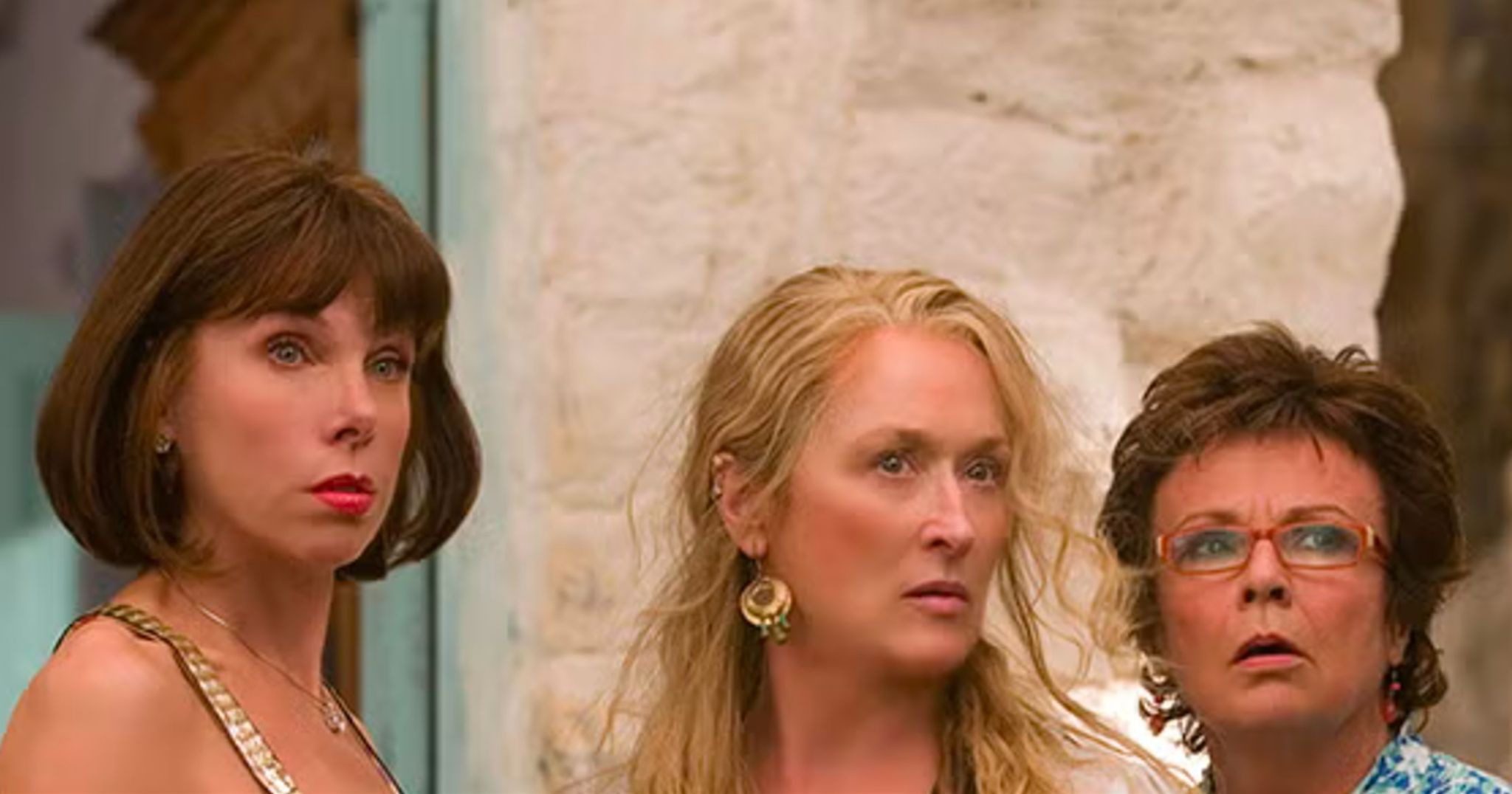
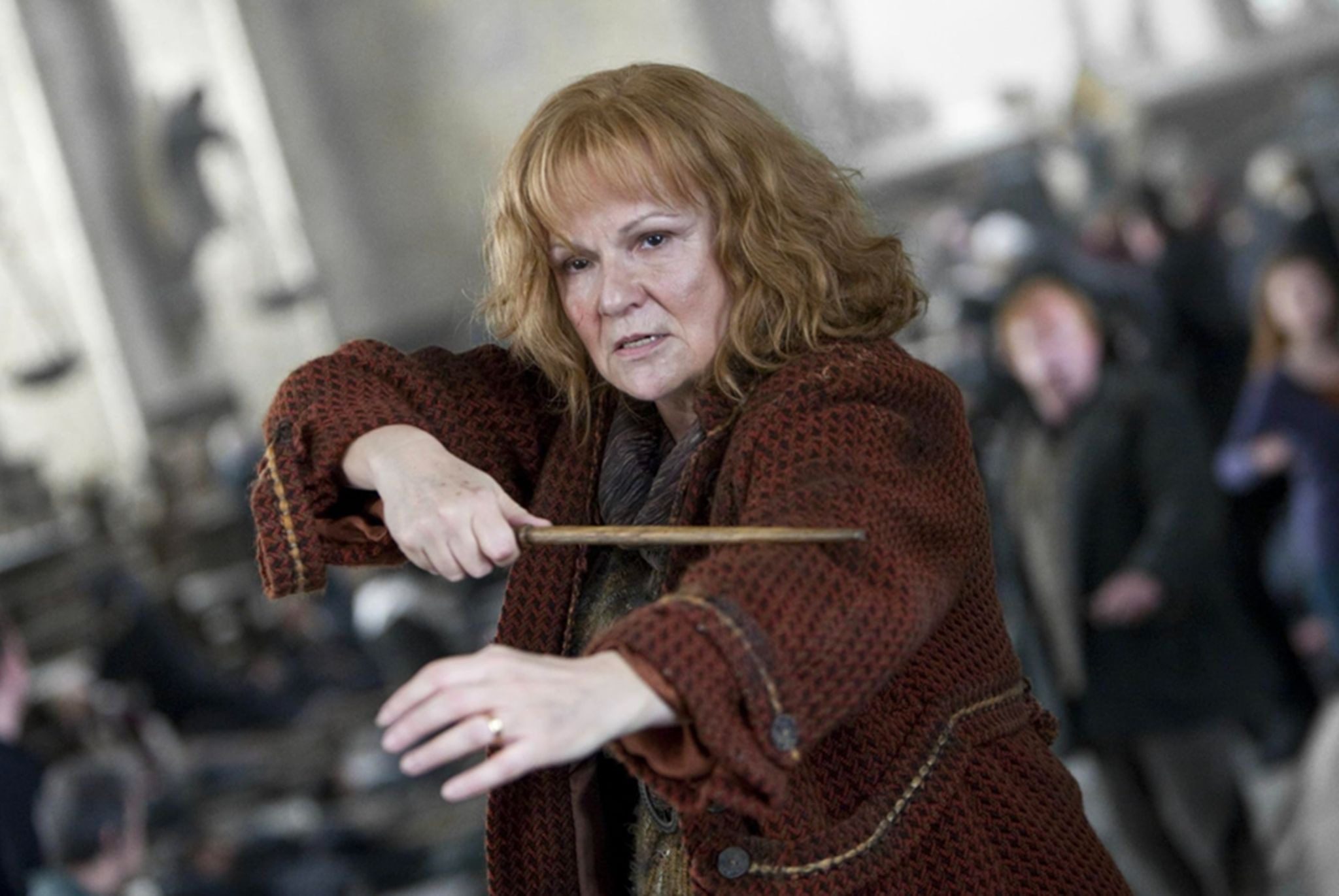
Her career gained rapid momentum from there. Julie Walters showcased a remarkable range: from intense drama in “Billy Elliot” and comedy in “Calendar Girls” to global blockbusters. For millions of viewers, she became the embodiment of warmth and courage, playing Molly Weasley in the Harry Potter franchise. Numerous BAFTA TV awards and her status as a British “national treasure” proved that her decision to leave medicine in Birmingham was the best gamble of her life.
Julie Walters. Birmingham. Victory Over Cancer
In 2018, Julie Walters’ life took a dramatic turn. While filming “The Secret Garden,” doctors diagnosed the actress with stage three bowel cancer. She underwent a major operation to remove part of her colon, followed by an grueling course of chemotherapy, and eventually received the long-awaited news that she was in remission.
Prioritizing her health and managing subsequent recovery, Walters decided to step back from the hectic pace of film production, choosing a quiet life away from the cameras.
Yet, the resilience forged in working-class Birmingham helped her not only overcome the illness but also maintain her status as a true legend. Her name is permanently etched into the history of global and British cinema.